


Is Your Car Battery Dead? An Easy-to-Follow Guide to Jump Starting a Car
A dead battery can ruin your day fast, especially if you’re out enjoying the natural beauty of British Columbia. The good news is that jump starting a car is something many drivers can do. We believe that with the right tools, some patience, and a clear step-by-step process, many drivers can manage it themselves.
At Minit-Tune & Brake Auto Centres, we want BC drivers to feel more confident when small car problems pop up. Here’s what you need to know about how to jump start a car, when it’s safe to do it yourself, and when it’s better to call for help.
First, Is It Actually a Dead Battery?
Before jumping a car, you need to know whether the battery is the likely problem.
Your battery may be dead or too weak if:
- You hear clicking when you turn the key or press the start button
- The lights are dim or do not turn on
- The engine cranks slowly but will not start
- Your car was sitting for several days or weeks
- You accidentally left the lights or accessories on
If your dashboard lights turn on normally but the engine does nothing, the issue may be something else. For instance, the starter, ignition system, or a fuse. A jump start may not fix those problems.
What You Need to Jump Start a Car
Before you begin, make sure you have:
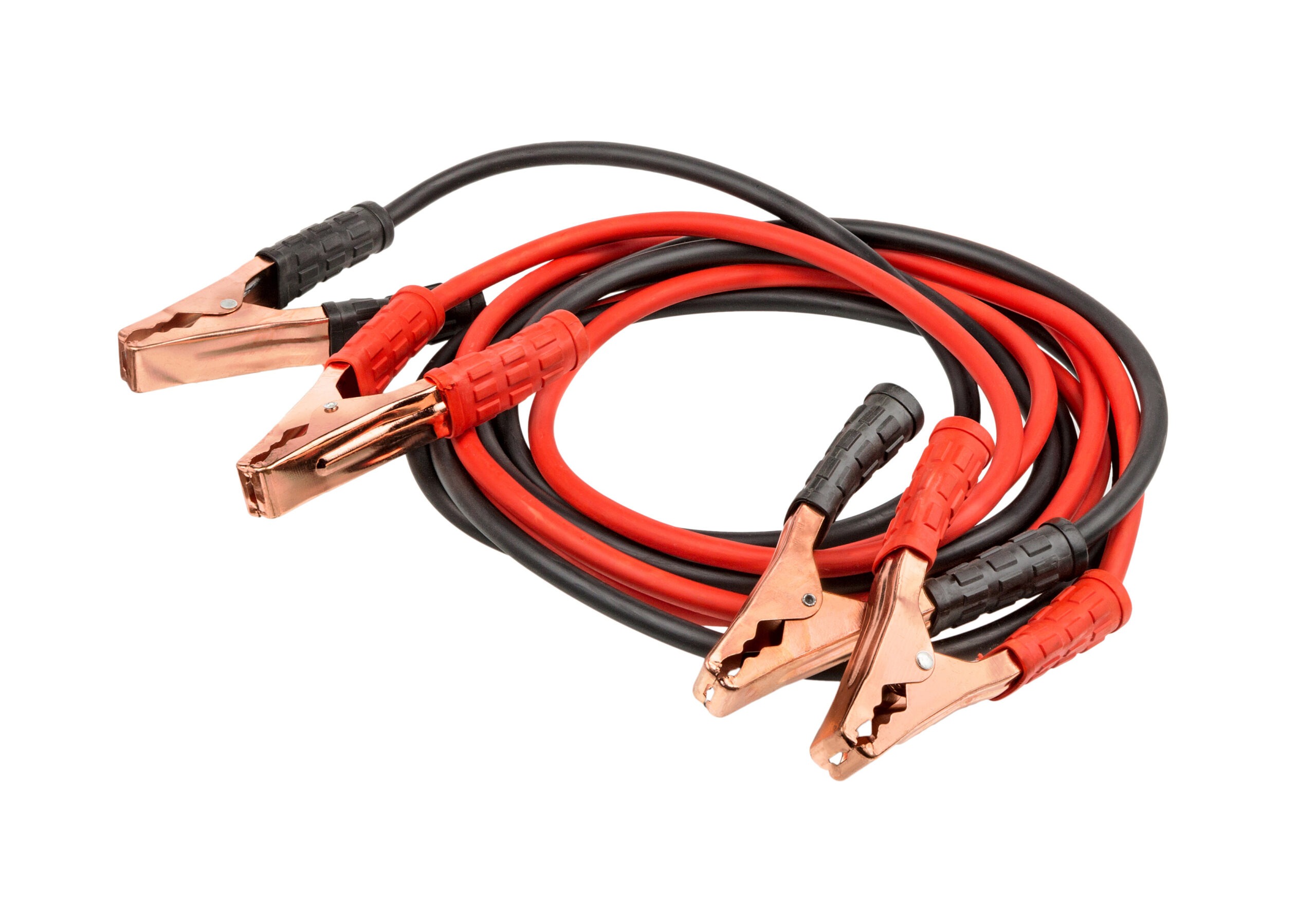
- A set of jumper cables
- Another vehicle with a working battery
- Enough space to park both vehicles close together
- Your owner’s manual, especially if your battery is hard to find
- Gloves and safety glasses (if available)
Important tip: Some vehicles have the battery in the trunk or under a cover. Others have special jump-start terminals under the hood. When in doubt, check your owner’s manual first.
The Step-by-Step Jump Starting Process
1. Park the Cars Close Together
Park the working vehicle close enough that the jumper cables can reach both batteries. The vehicles shouldn’t touch.
Put both cars in park, turn off both engines, and make sure the parking brakes are on.
2. Find the Battery Terminals
Open both hoods and locate the battery terminals.
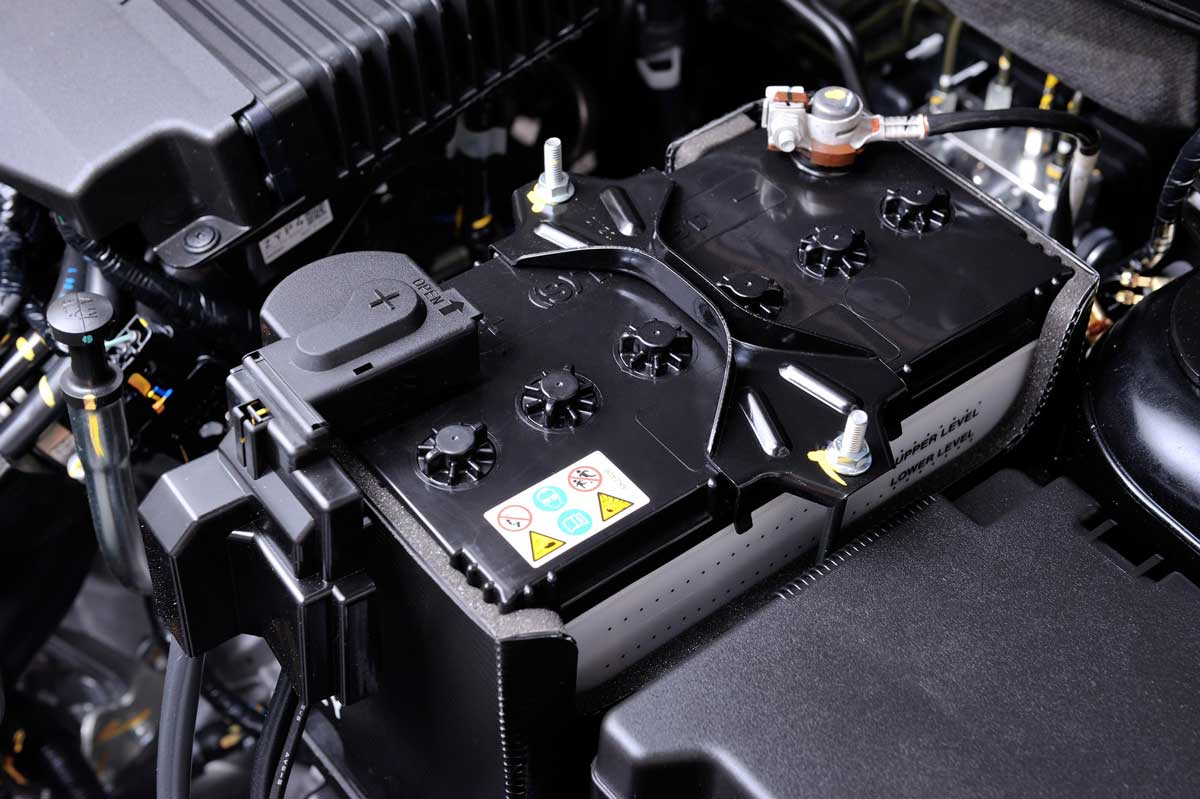
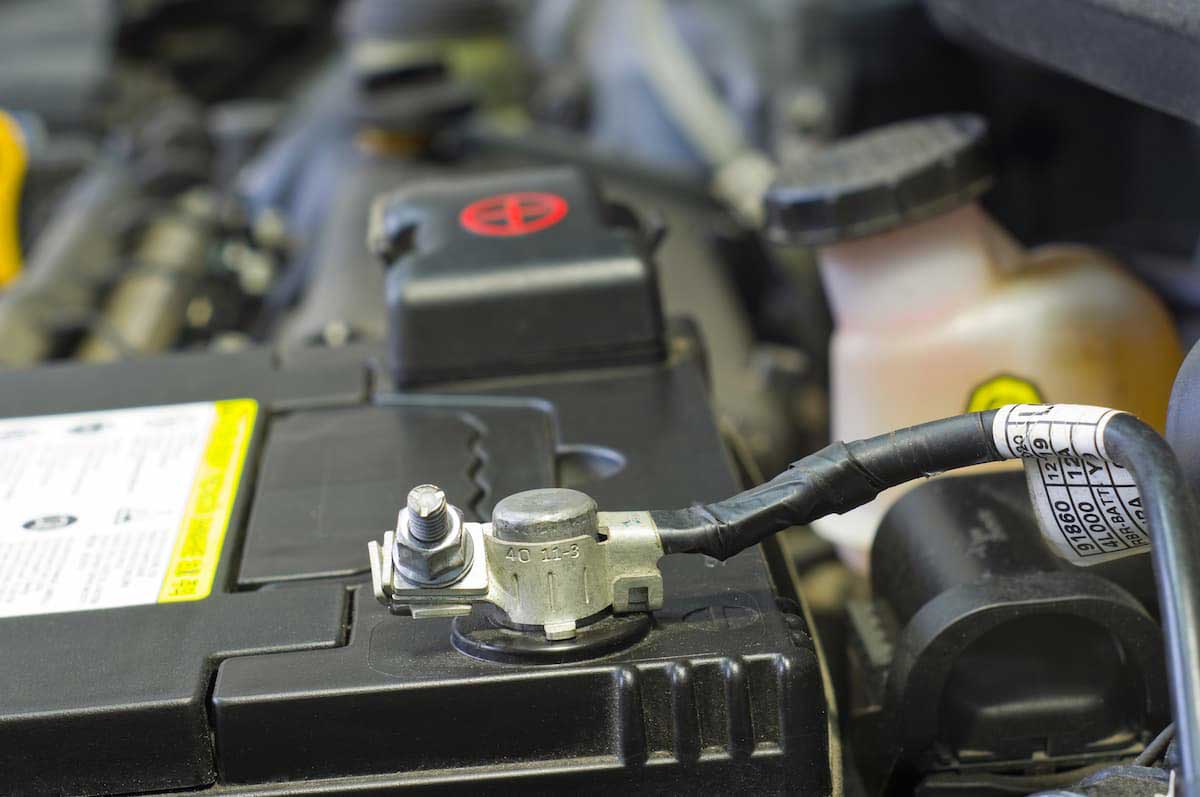
The positive terminal is usually marked with a plus symbol (+) and may have a red cover. The negative terminal is usually marked with a negative sign (-).
If the battery terminals are dirty or corroded, the connection may not work well. Avoid touching corrosion directly.
3. Connect the Jumper Cables in the Right Order
When jump starting a car with cables, the order matters.
Connect the cables like this:
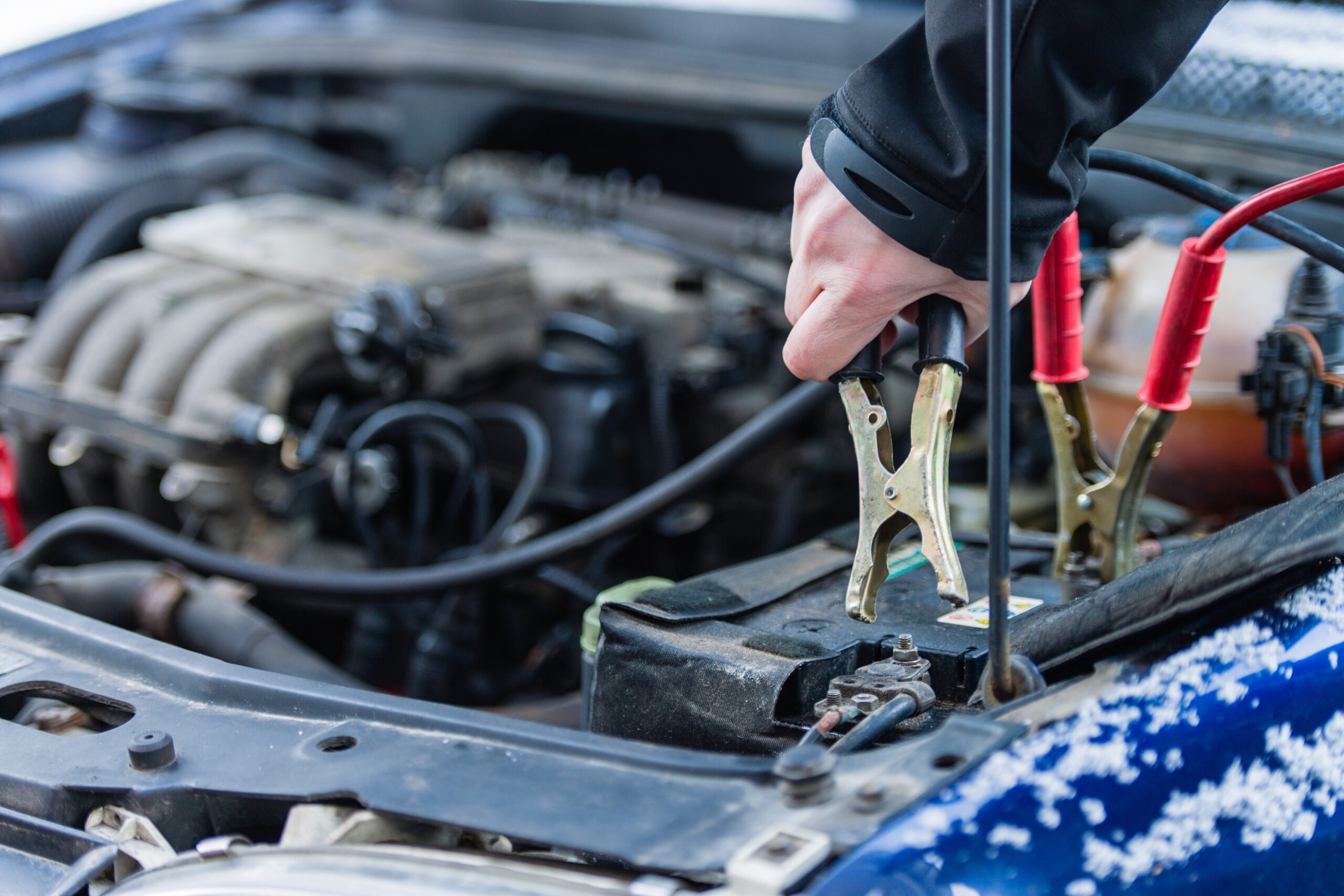
- Attach the red clamp to the positive terminal of the dead battery.
- Attach the other red clamp to the positive terminal of the good battery.
- Attach the black clamp to the negative terminal of the good battery.
- Attach the final black clamp to a clean, unpainted metal surface on the car with the dead battery, such as a bolt or metal part of the engine block.
Don’t attach the final black clamp directly to the dead battery’s negative terminal unless your owner’s manual says to. Using a metal ground point away from the battery helps reduce the risk of sparks near the battery.
Also, make sure the clamps do not touch each other once connected.
4. Turn On the Cars
Start the car with the good battery and let it run for a few minutes. This allows the good battery to charge the dead one a bit.
Then, try starting the car with the dead battery. If it cranks but doesn’t start immediately, wait a minute or two and try again.
5. Disconnect the Cables
Once the dead car starts, disconnect the jumper cables in the REVERSE order you connected them.
You’ve accomplished your mission successfully! Your car should be good to go.
Remember, a jump start is not a full fix. If your car dies again soon after, your battery may need to be replaced, or your charging system may need service.
Find out more about why your car battery keeps dying with the following related blog posts:
- 6 REASONS YOUR CAR BATTERY KEEPS DRAINING
- 4 TELLTALE SIGNS YOUR VEHICLE BATTERY MIGHT BE DYING
- HOW LONG SHOULD A NEW CAR BATTERY LAST?
- THE IMPORTANCE OF KEEPING CAR BATTERY CONNECTIONS CLEAN
How Long to Keep a Car Running After a Jump
If you’ve jump-started your car, keep it running. A good rule of thumb is to let it run for at least 20 to 30 minutes.
We recommend actually driving your vehicle rather than letting it idle. Driving your car gives the alternator more opportunity to recharge the battery.
What If Your Car Will Not Jump Start?
If your car won’t start after following the steps, don’t keep trying over and over. If you repeat the process repeatedly, it can put stress on the vehicles and may not solve the real problem.
Some reasons your car may not jump start include:
- The battery is completely dead or damaged
- The jumper cable connection is loose
- The battery terminals are corroded
- The starter is failing
- The alternator is not charging the battery
- There is another electrical issue
If the car starts but dies again shortly after, that could point to a weak battery or charging system problem.
Have Your Battery Checked at Minit-Tune & Brake Auto Centres
Whether you need a battery test, a replacement, or help figuring out why your car keeps dying, Minit-Tune & Brake Auto Centres can help.
Our technicians can inspect your battery, test your charging system, clean battery connections, and help you get back on the road safely. If you are unsure about jumping a car yourself, it is always better to ask for help than risk damaging your vehicle.
Schedule auto repair service or contact us today! Our friendly and knowledgeable technicians are always available to help you get back on the road safely and promptly.
Related posts

Read More
Battery vs. Alternator: How to Tell Which One Is Actually Failing in the Cold
Learn how to tell whether a cold-weather no-start is caused by the battery or the alternator, and when to have both tested.
Read More
How Long Should A New Car Battery Last?
Read More