


Battery vs. Alternator: How to Tell Which One Is Actually Failing in the Cold
If your car won’t start when temperatures drop, a cold weather battery problem is usually the first thing to rule out. A weak battery may cause slow cranking, clicking, or no start at all.
An alternator problem is more likely if the car starts after a boost but dies again, the battery repeatedly loses its charge, or you notice electrical problems while the engine is running.
The symptoms can overlap, so a jump-start alone doesn’t prove which part is failing. A battery and charging-system test can quickly tell you whether the battery is weak, the alternator isn’t charging properly, or there’s another problem.

Battery or Alternator? Pay Attention to When the Problem Happens
A battery problem usually shows up when you try to start the car. The engine may crank slowly, you may hear clicking, or nothing may happen at all. Cold weather makes this more noticeable because a weak battery has less power available when the engine needs more effort to turn over.
An alternator problem tends to show itself after the car is running. You may notice dimming lights, electrical accessories acting strangely, a battery warning light, or the engine shutting off because the alternator is no longer supplying enough power.
That timing is one of the simplest clues:
- Trouble starting: suspect the battery first.
- Trouble staying running or keeping the battery charged: suspect the alternator.
It is only a clue, though. A failing alternator can leave you with a discharged battery, which means the next symptom you see may still be a car that won’t start.
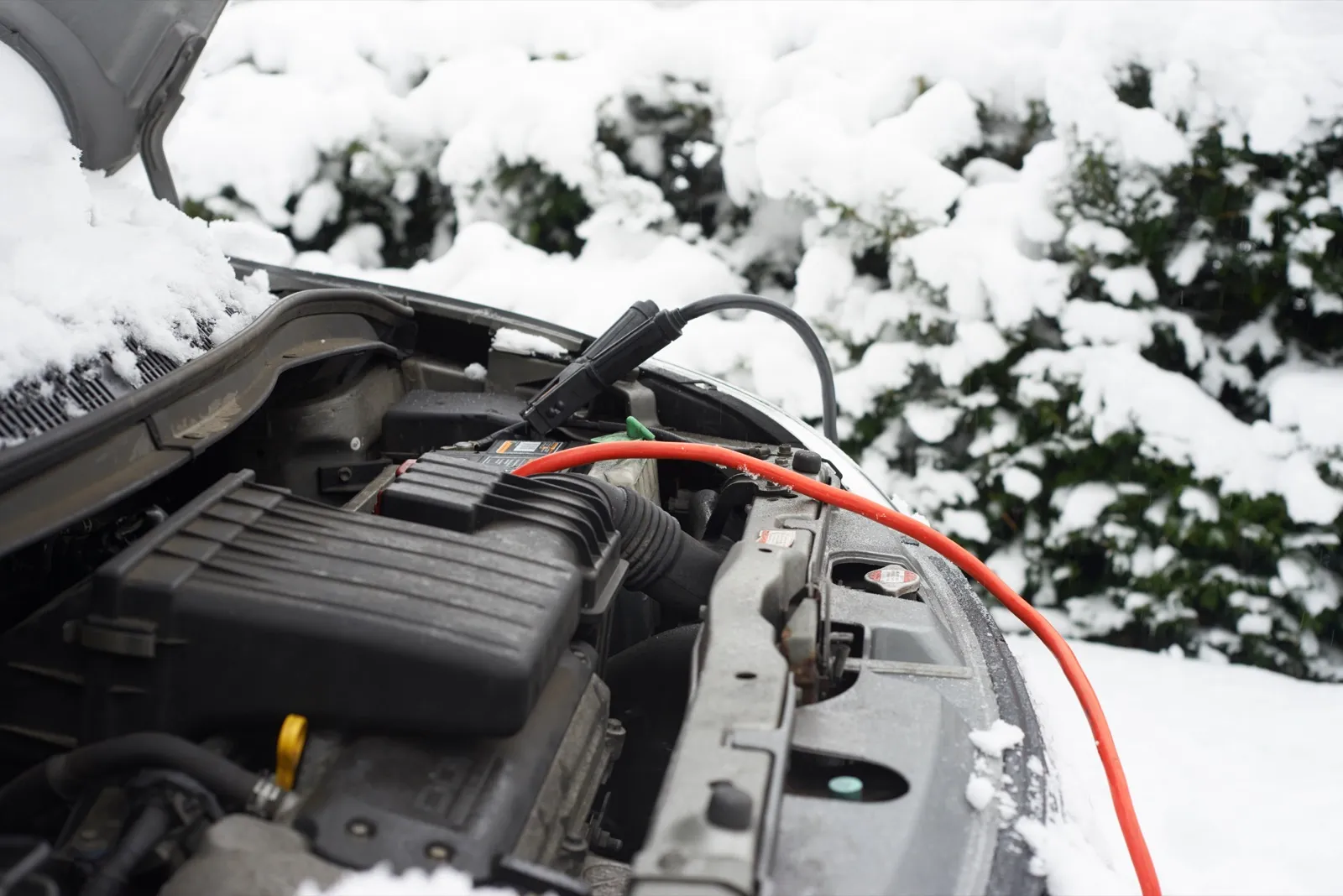
What Does a Jump-Start Tell You?
How the car behaves after a jump-start can help narrow down the problem.
If the car starts and continues running normally, but won’t restart after you shut it off, the battery may no longer be holding a charge.
If it starts with a boost but dies shortly afterward, the alternator may not be producing enough power to keep the vehicle running or recharge the battery.
A jump-start isn’t a complete diagnostic test. A failing alternator can leave a healthy battery discharged, and poor battery connections can cause similar symptoms. If the problem returns, test the battery and charging system before replacing either part.
Why Cold Weather Exposes a Weak Battery
Cold weather does two things at once: it reduces the battery’s available power and makes the engine harder to turn over. A battery that seemed fine in milder weather may suddenly struggle after the first serious temperature drop.
That’s why a cold weather battery problem often appears without much warning. The cold usually hasn’t “killed” a healthy battery overnight. More often, it exposes a battery that was already losing capacity.
| What Cold Weather Does | What You May Notice |
|---|---|
| Reduces available battery power | Slower cranking or clicking |
| Makes the engine harder to turn over | The starter needs more power |
| Exposes an aging or weakened battery | A car that started normally last week suddenly won’t start |
Battery age matters too. If your battery is several years old and your car won’t start on a cold morning, it’s worth having the battery tested before assuming the alternator is at fault.
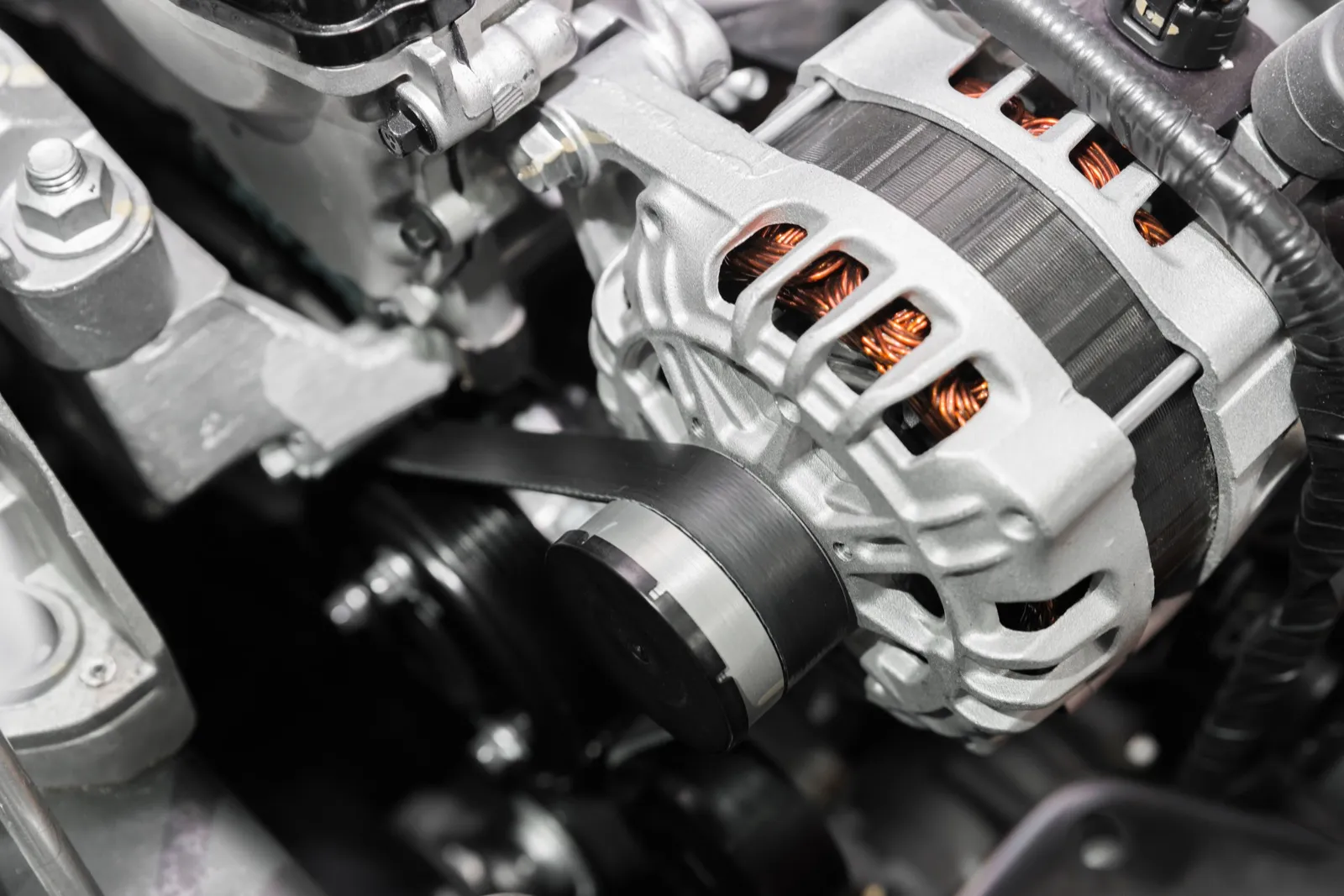
Can You Test the Battery and Alternator at Home?
If you have a multimeter, a basic voltage check can give you another clue.
With the engine off, a fully charged battery should read about 12.6 volts. A noticeably lower reading can mean the battery is discharged or weak.
Then start the engine and test again. You should generally see the voltage rise to around 13 to 14.5 volts as the alternator begins charging the battery. If the voltage stays low while the engine is running, the alternator may not be supplying enough power.
These readings are useful, but they don’t tell the whole story. A battery can show acceptable voltage and still fail when asked to start the engine. If the problem keeps happening, book a battery and alternator test so the cause can be confirmed before you replace either part.
FAQs About Battery vs. Alternator Problems
Q: What affects the cost of replacing a battery or alternator?
A: It depends on your vehicle. A battery is usually the less expensive repair, but the cost varies with the type of battery or alternator your vehicle requires, such as an AGM battery or a higher-output alternator, and how much labour it takes to reach the part.
Parts and labour prices also change over time, so the most reliable way to know your cost is to have the battery and alternator tested and get a quote for your specific vehicle.
The important thing is to confirm what failed before replacing anything. A bad alternator can drain a perfectly usable battery, so finding a dead battery doesn’t necessarily mean the battery itself needs to be replaced.
Q: Does the battery warning light mean the battery is bad?
A: Not necessarily. The battery-shaped warning light usually means there’s a problem with the vehicle’s charging system while the engine is running. The alternator, drive belt, wiring, or another electrical component may be responsible.
If the light comes on while you’re driving, don’t assume replacing the battery will solve it.
Q: Can a bad alternator damage or drain a new battery?
A: Yes. If the alternator isn’t charging properly, the battery has to supply electrical power without being replenished. Even a new battery can eventually run down.
That’s one reason repeated dead-battery problems should be diagnosed rather than treated with another battery replacement.
Q: Do I need to replace the battery and alternator at the same time?
A: Usually not. Replace the part that has actually failed.
However, if a failing alternator has repeatedly discharged an older battery, the battery may also have lost capacity. Testing both components will show whether one or both need attention.
Conclusion: Don’t Guess Which Part Is Failing
If your car won’t start or keeps losing its charge, replacing the battery based on symptoms alone can waste time and money. A quick battery and alternator test can identify the actual problem before you buy a part you may not need.
If you’re dealing with recurring starting problems, book an appointment with Minit-Tune to have the battery and alternator checked.
Related posts
Read More
Why Does Your Tire Pressure Light Come On When It’s Cold?
Cold weather can lower tire pressure enough to trigger the warning light. Learn when it’s temperature-related and when it could mean a slow leak or TPMS problem.

Read More
How Long Do Wiper Blades Actually Last? Signs You’re Overdue for New Ones
Learn how often to replace wiper blades, spot signs of wear, and understand why even new blades can skip. Get practical tips before fall rain arrives.

Read More
Winter Tires vs. All-Season vs. All-Weather Tires in BC: What the Law Requires (and What They Cost)
A plain-language guide to what BC's winter tire regulation requires on designated highways, how all-season, all-weather and winter tires compare, and what a seasonal swap or a second set typically costs.