


Why Are My Brakes Squeaking? Here’s What It Could Mean
A squeaking sound from your brakes can make your stomach drop a little. It is one of those noises that instantly makes you wonder if something expensive or unsafe is happening.
The good news is that squeaky brakes are not always an emergency. Sometimes the cause is moisture, dust, cold weather, or light surface rust. Other times, that sound is your vehicle’s way of telling you the brake pads, rotors, or other components need attention, which is when brake inspections and repairs can help you catch the issue before it gets worse.
So, why are my brakes squeaking? The answer depends on when the sound happens, how long it lasts, and whether it comes with other warning signs.
Quick answer: Brakes can squeak because of moisture, cold weather, dust, debris, worn brake pads, rotor wear, or caliper issues. If the sound goes away quickly and your brakes feel normal, it may not be urgent. If it keeps coming back, gets louder, or comes with grinding, shaking, pulling, or reduced stopping power, it is best to book a brake inspection.
Brake Squeaking Can Be Normal in Some Conditions
Not every brake squeak means something is wrong. In Canada, seasonal weather plays a big role in how your brakes sound. The key is paying attention to when the noise happens and how quickly it goes away.
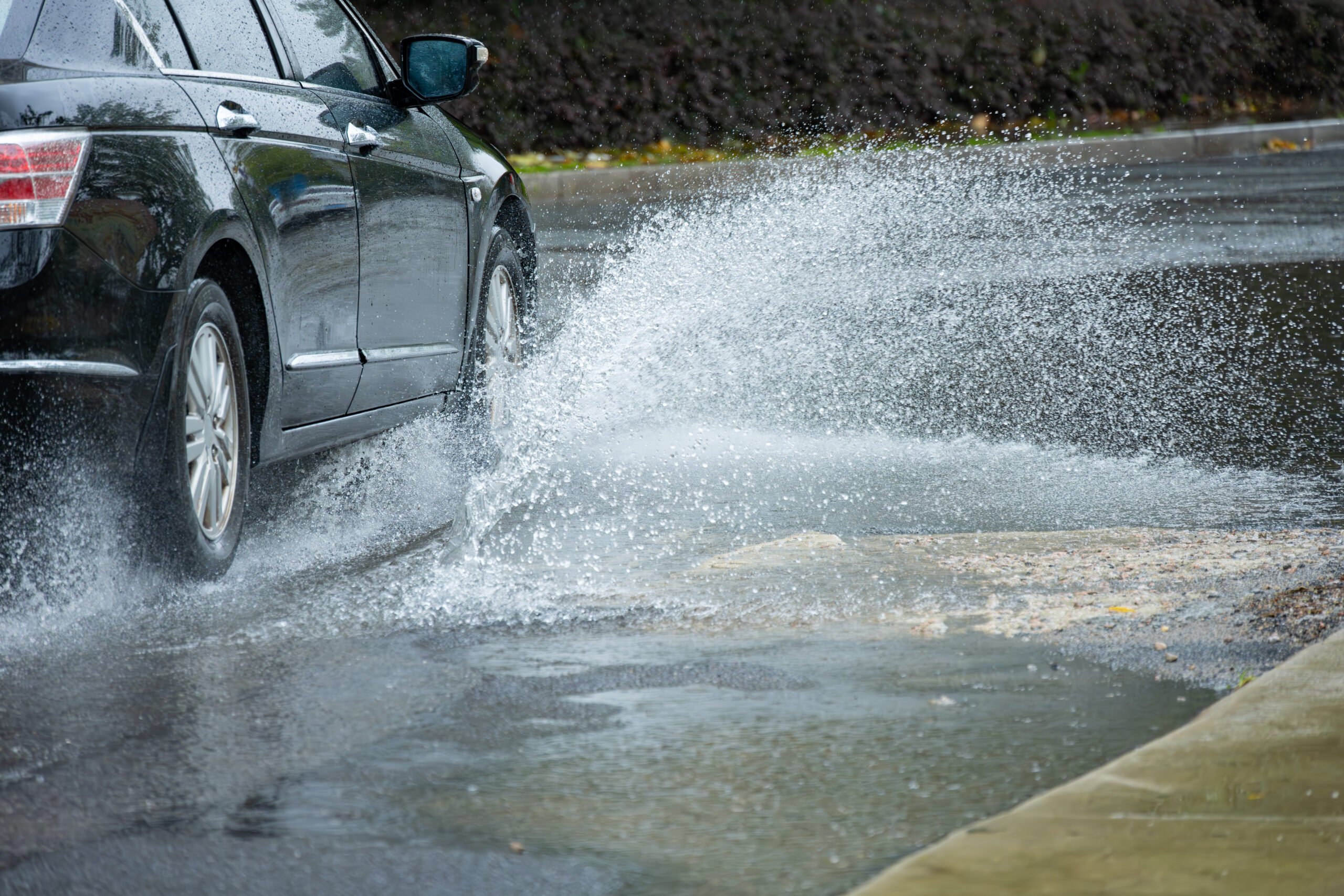
Squeaking or squealing when you first start driving:
After rain, snow, a car wash, or a cold night, a thin layer of moisture can settle on your brake rotors. That can create light surface rust, which may cause squeaking or squealing when you first start driving. Usually, this noise disappears after a few stops as the brake pads clean the rotor surface.
Brief squeaking in cold weather:
You might also hear some brake noise during colder months. Temperature changes can affect metal components, rubber parts, and brake pad materials. If the sound is brief and your brakes still feel strong and responsive, it may not be a major concern.
Squeaking after winter driving or gravel roads:
Dust, sand, small stones, and road debris can get caught near the brake components. This is especially common after winter driving, gravel roads, construction zones, or spring road cleanup. In some cases, the noise clears on its own. In others, the debris needs to be removed before it causes more wear.
Squeaking that goes away after a few stops:
If the noise disappears quickly and your brakes feel normal, it may simply be moisture, light rust, or minor debris. Still, if the sound keeps returning or starts getting louder, it is worth having the brakes inspected before a small issue becomes a bigger repair.
When Squeaky Brakes May Mean Worn Brake Pads
One of the most common reasons brakes squeak is worn brake pads.
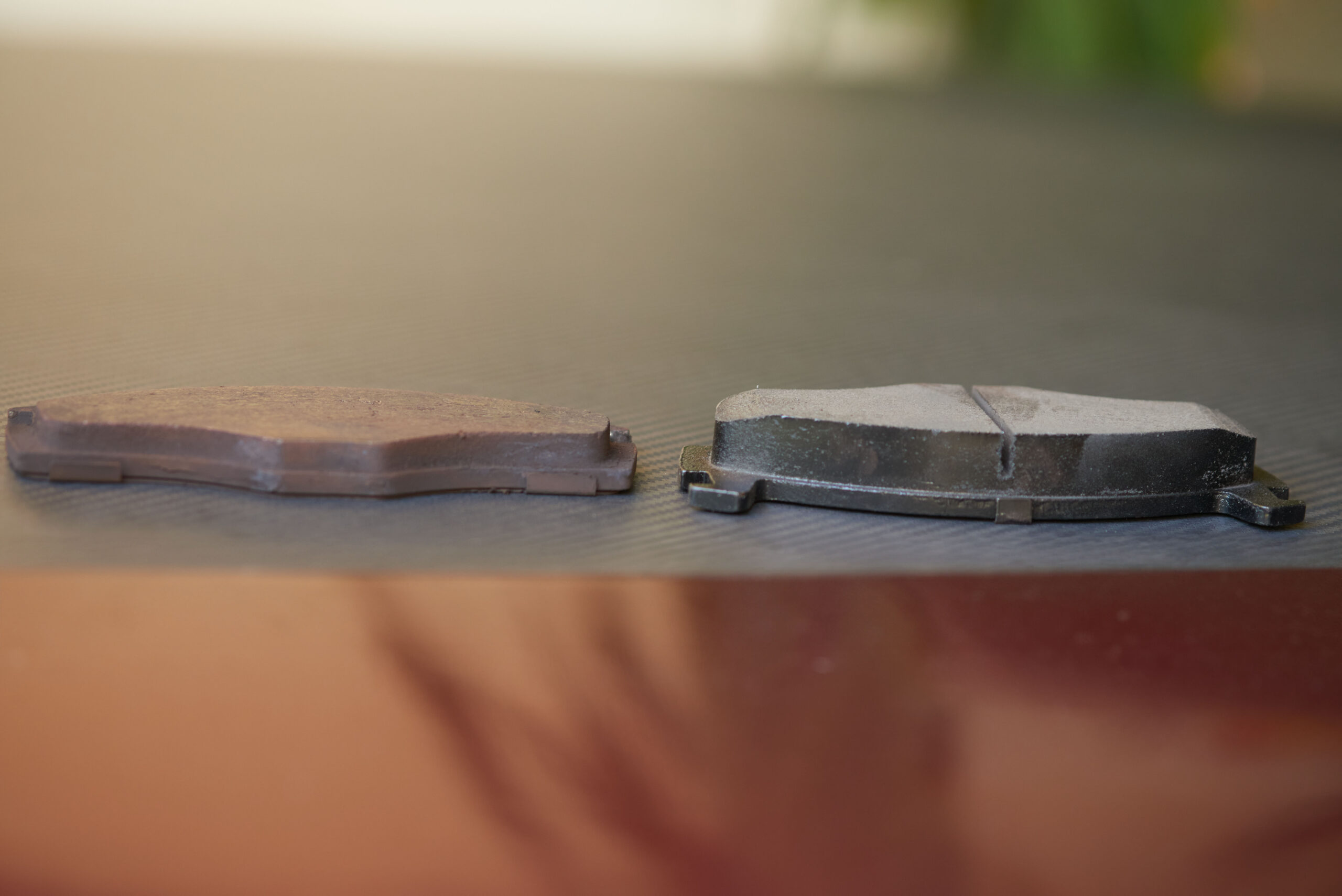
Brake pads are designed to wear down over time. Many include a small metal wear indicator that makes a high-pitched squealing noise when the pad material gets low. That sound is there on purpose. It gives you a warning before the pads wear too far and start damaging other brake parts.
If you are asking, “Why are my brakes squeaking every time I slow down?”, worn brake pads may be the reason. This is especially true if the noise happens after the vehicle has warmed up or if it gets louder over time.
Waiting too long can turn a basic brake pad replacement into a more expensive repair involving the rotors. Catching worn pads early is one of the simplest ways to avoid costly brake repairs.
Other signs of worn brake pads can include:
- Longer stopping distance
- A brake pedal that feels different than usual
- Squealing that gets louder over time
- Grinding sounds when braking
- Brake warning lights on the dashboard
Grinding is more serious than squeaking. If you hear grinding, it may mean the brake pad material is mostly gone and metal is contacting metal. At that point, you should book service as soon as possible.
Rotors Can Also Cause Brake Noise
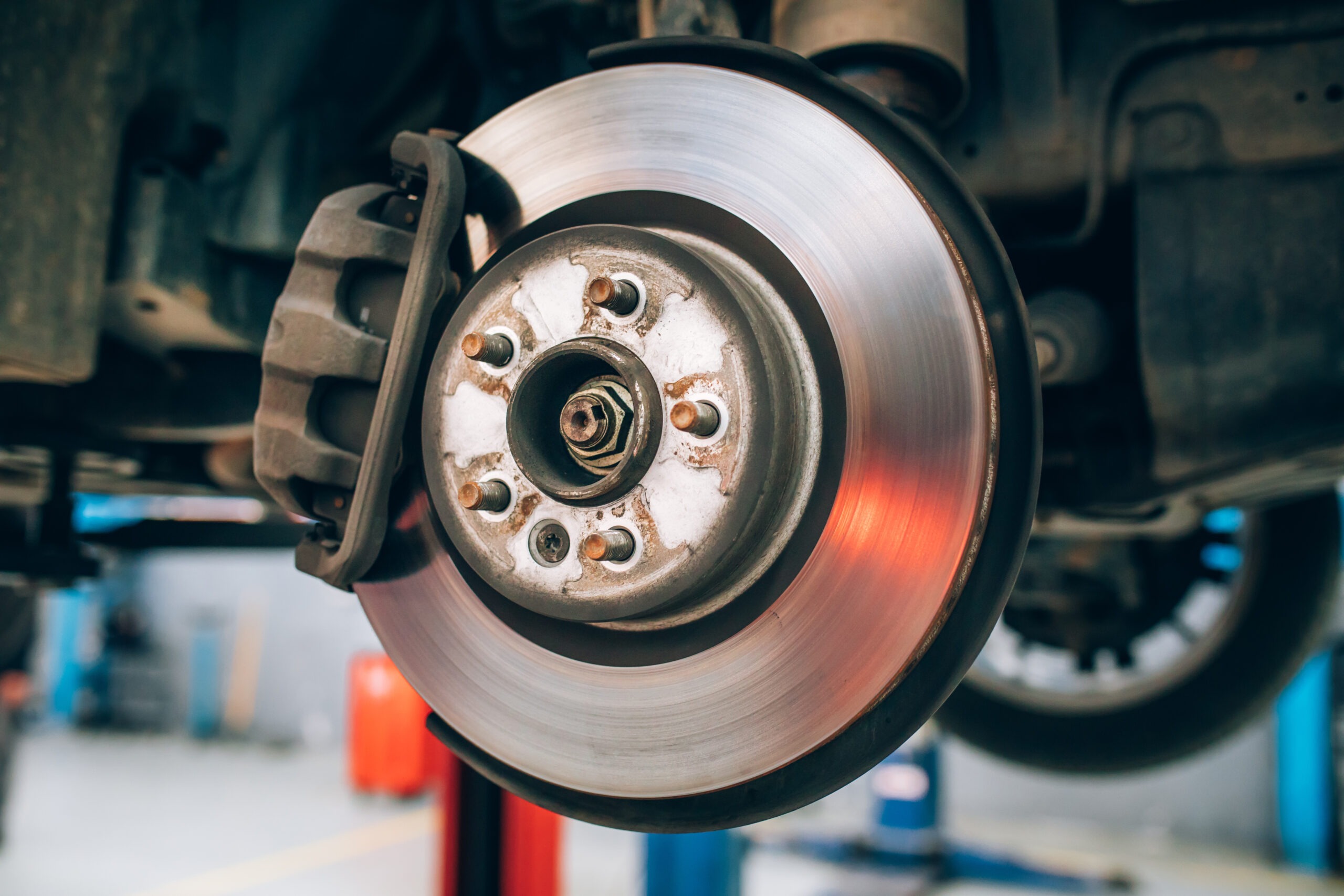
Your brake rotors are the metal discs that the pads press against to slow your vehicle. When rotors are smooth and in good condition, braking should feel steady and controlled.
Over time, rotors can develop grooves, uneven surfaces, rust buildup, or heat damage. When that happens, the brake pads may not make clean contact with the rotor. That can lead to squeaking, scraping, vibration, or pulsing through the brake pedal.
A warped or uneven rotor may also make the steering wheel shake when braking, especially at highway speeds. That is not something to ignore. It can affect stopping performance and make your vehicle feel less stable.
A proper brake inspection can determine whether the rotors can be serviced or need replacement. Guessing is not ideal here, because brake noise can sound similar even when the cause is different.
Brake Calipers Can Create Bigger Problems
Brake calipers press the pads against the rotors. When they work properly, they apply and release pressure smoothly.
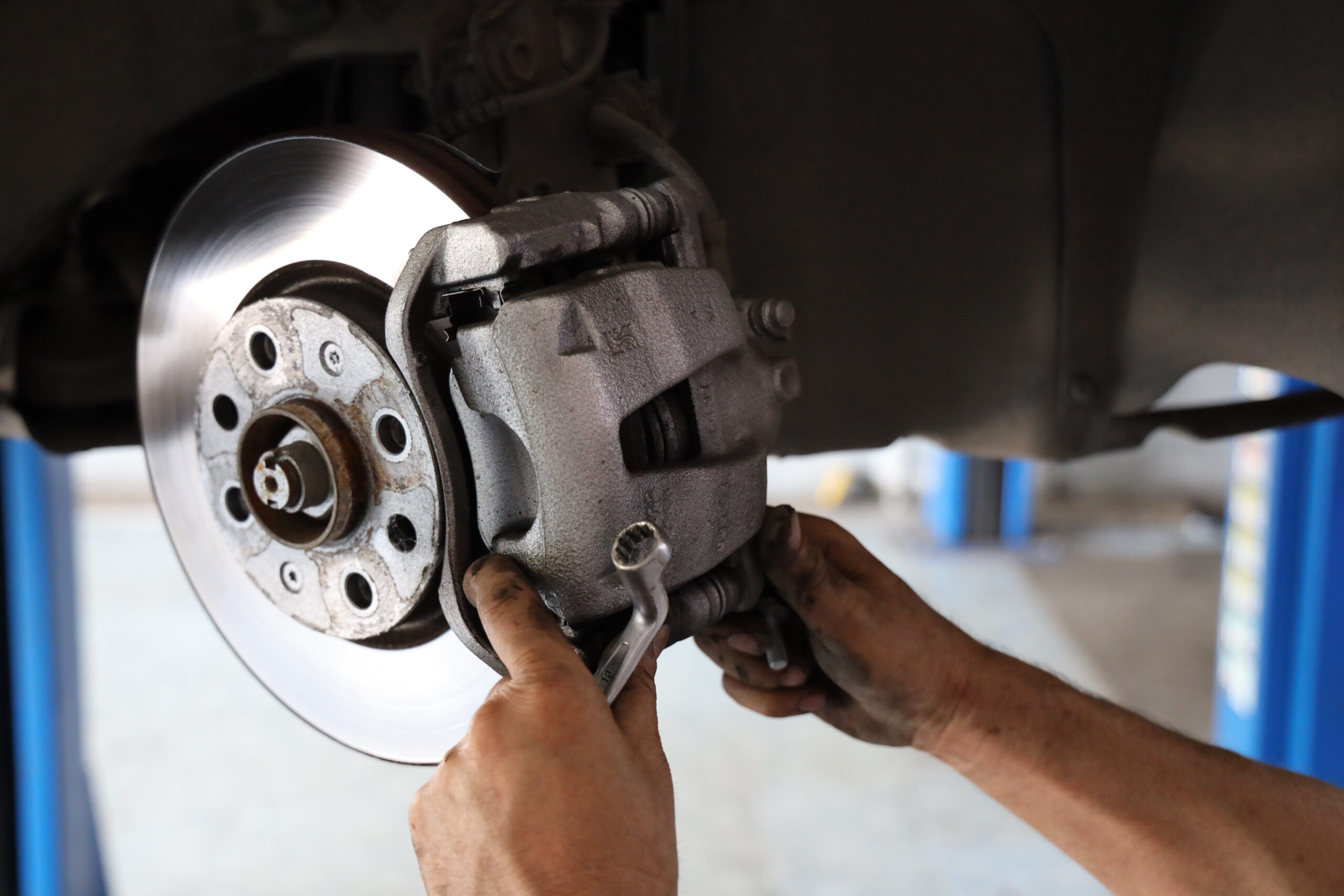
If a caliper sticks, seizes, or does not release fully, it can keep one brake pad pressed against the rotor. That may cause squeaking, burning smells, uneven brake wear, pulling to one side, or extra heat near one wheel.
Caliper issues are more serious because they can affect handling and braking safety. They can also damage pads and rotors faster than normal. If your vehicle pulls while braking, feels sluggish, or one wheel seems unusually hot after driving, get it checked promptly.
How to Tell If Brake Squeaking Is Urgent
Brake noise does not always mean you need to stop driving immediately, but it should not be ignored if it keeps happening.
A short squeak first thing in the morning after rain or cold weather is usually less concerning. A squeak that happens every time you brake, gets louder, or comes with grinding, shaking, pulling, or reduced stopping power needs attention.
A vehicle safety inspection can help identify brake, suspension, steering, and lighting concerns before they become bigger safety issues.
You should book a brake inspection if:
- The squeaking keeps coming back
- The sound gets louder or sharper
- You hear grinding, scraping, or clunking
- The brake pedal feels soft, stiff, or unusual
- Your vehicle pulls to one side when braking
- You notice vibration while stopping
- Your dashboard brake light comes on
Brakes are one of the most important safety systems on your vehicle. The earlier you catch a problem, the easier it usually is to fix.
Get Squeaky Brakes Checked Before They Become a Bigger Repair
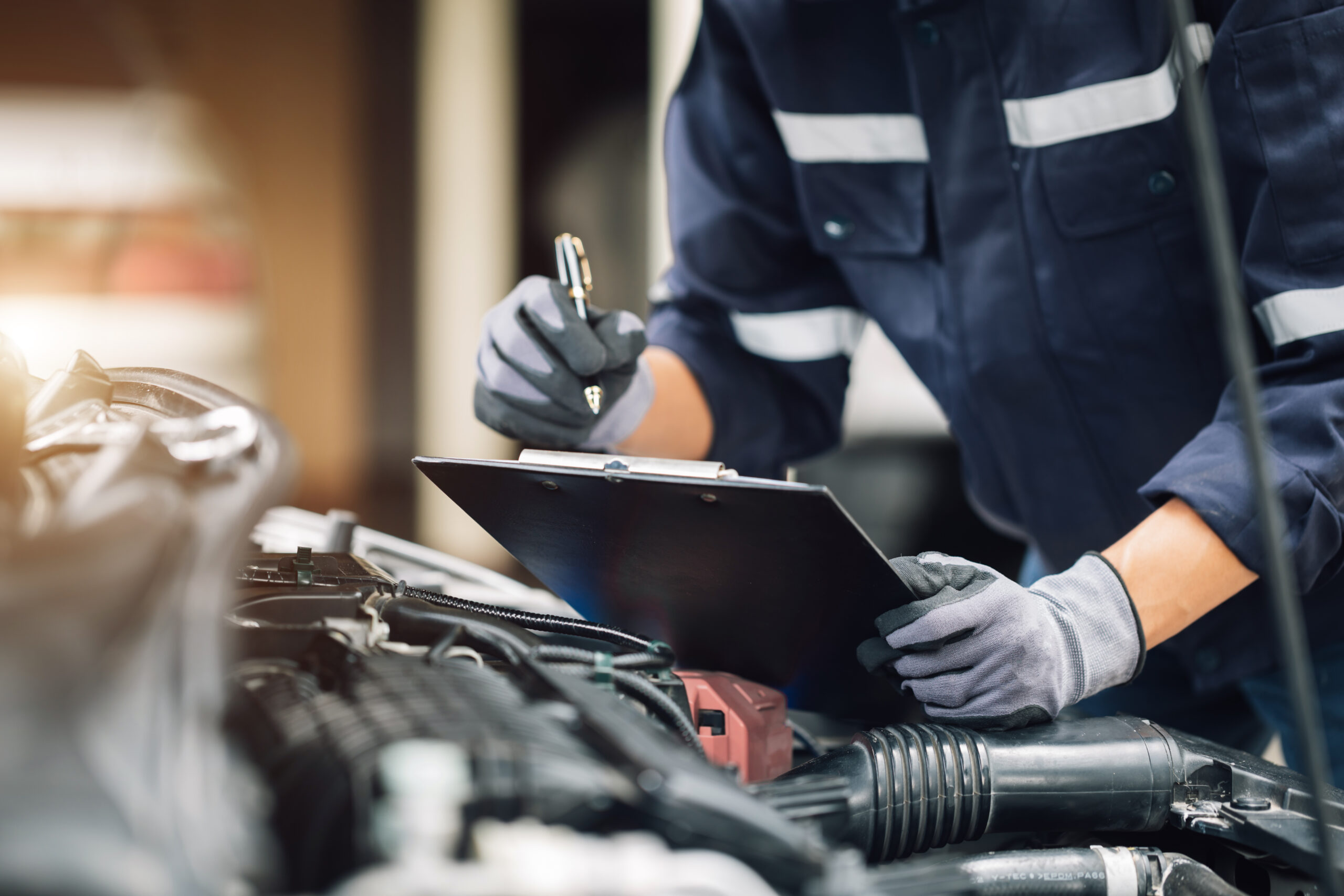
If you have been asking, “Why are my brakes squeaking?”, the safest answer is to have them inspected by a qualified technician. It may be something minor, like moisture or debris. It may also be an early warning sign that your pads, rotors, or calipers need service.
Minit-Tune & Brake provides full-service auto repair and maintenance across Canadian locations, including brake inspections, brake repairs, diagnostics, and preventative maintenance.
Our technicians can inspect the full brake system, explain what is happening, and help you make the right call before a small noise turns into a bigger repair.
If your brakes are squeaking, squealing, grinding, or just not feeling right, book a brake inspection with your nearest Minit-Tune location.
Related posts

Read More
Why You Should Always Engage the Emergency Brake When Parking
Minit-Tune & Brake Auto Centres explains why engaging the emergency brake every time you park is essential. Expert brake repair in BC to keep you safe.

Read More
Emergency Brake Trouble? What Every Driver in B.C. Should Know
Learn about common emergency brake issues and repair tips from Minit-Tune & Brake Auto Centres. Trusted brake repair in Surrey, New Westminster, and across B.C. Call us today for an appointment.
Read More
How to Properly Use Your Emergency Brake: A Helpful Guide for New Drivers
Learn how to use your emergency brake properly, including when to apply it, where to find it, and common mistakes new drivers should avoid.