


What Is Tire Balancing and When Does Your Car Actually Need It?
What is tire balancing? It is one of the most common questions we get, usually asked right after someone says, “My car feels shaky on the highway” or “Why are my tires wearing out so fast?”
Tire balancing can absolutely make a difference in how your car feels and how your tires wear, but it is not always the root cause of every vibration or handling issue. In many cases, similar symptoms can also be linked to tire condition, suspension components, or steering wear.
For example, if the vibration shows up mainly when you apply the brakes, it is usually not a balancing issue. This would point more toward braking components (like warped rotors) or wear in the steering or suspension.
In this guide, we’ll explain what tire balancing is, when it actually makes sense, and how it fits into a practical, diagnostic approach to vehicle maintenance. We’ll also cover the common warning signs and when balancing is often used as a smart first step to help rule out potential causes before moving on to more complex repairs.
What Is Tire Balancing?
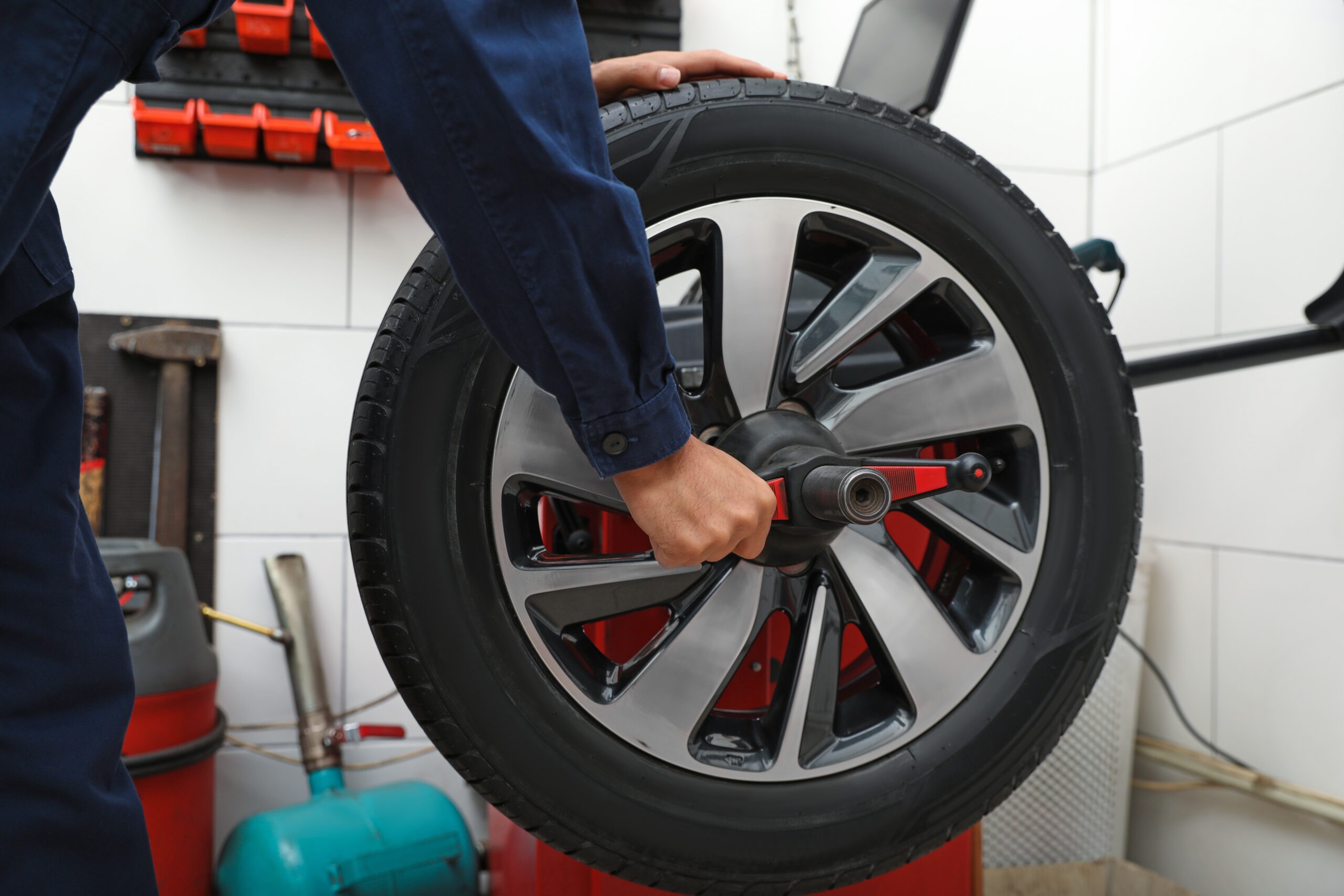
Tire balancing, also known as wheel balancing, is the process of evenly distributing weight around your tire and wheel assembly. No tire or wheel is perfectly uniform. Even tiny weight differences can cause a wheel imbalance when the tire spins at speed.
To correct this, a technician uses a balancing machine to identify heavier or lighter spots and adds small weights to the wheel as needed. The goal is smooth, even rotation as the tire rolls.
How Are Tires Balanced?
Most shops use one of two methods.
Static Balancing
Static balancing corrects minor imbalances on a single axis. The wheel is placed on a balancing device, and small weights are added opposite the heavy spot.
Dynamic Balancing
Dynamic balancing is more precise and more common today. The wheel is spun on a computerized machine that measures imbalance across multiple axes.
The machine tells the technician exactly where and how much weight to add to both the inner and outer parts of the wheel.
At Minit-Tune, we offer dynamic balancing. Make your appointment today.
Why Tire Balancing Matters More Than You Think
Balancing tires is not just about feeling comfortable when you take a ride in your car. It actually plays a major role in protecting your vehicle and keeping long-term costs down.
When tires are properly balanced, you benefit from:
- A smoother, quieter ride
- More even tire tread wear
- Better fuel efficiency
- Reduced stress on suspension and steering components
On the other hand, driving with a wheel imbalance can lead to premature tire replacement, worn suspension components, and annoying vibrations that worsen over time.
Signs Your Tires Are Out of Balance
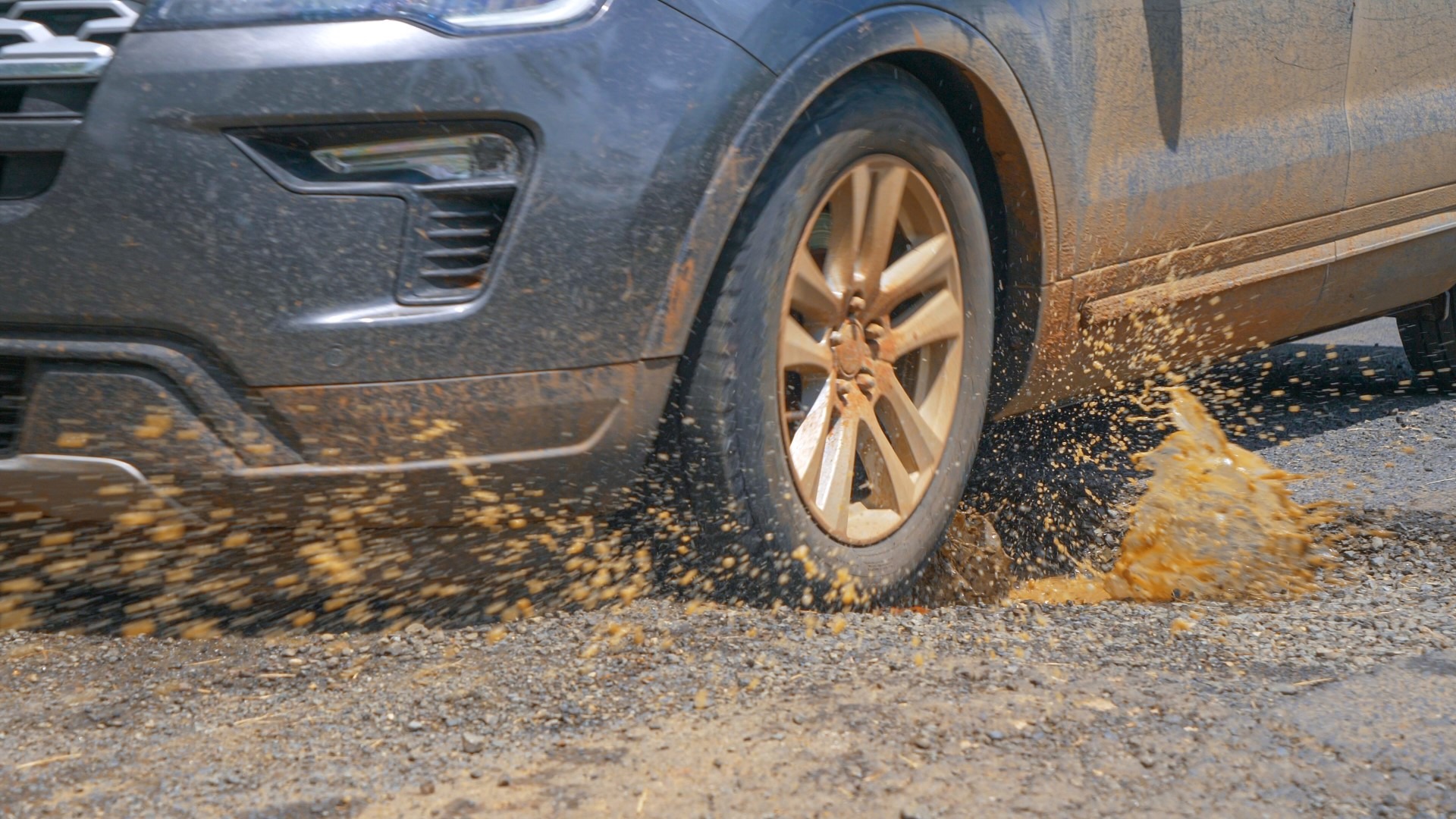
Tire imbalance often develops gradually as tires wear, but potholes, curbs, hard braking, or lost wheel weights can accelerate the process.
Here are some of the most common warning signs you need to watch out for:
Steering Wheel Vibration
If you notice vibrations that get worse as you go faster, this is one of the clearest signs you may need to look into balancing your tires.
Usually, if the front wheels are out of balance, you might feel it through the steering wheel. On the other hand, if the imbalance is in the rear wheels, it often feels like a sensation in the seat or on the floor.
Uneven or Accelerated Tire Wear
If your tires are out of balance, they’re not making consistent contact with the road. This can cause cupping or uneven tread wear, shortening the life of your tires.
Shaking at Highway Speeds
Does your car feel smooth at low speeds but shaky on the highway? This difference is a classic indicator of wheel imbalance.
Increased Fuel Consumption
Imbalanced wheels create extra resistance, which can slightly reduce fuel efficiency over time.
Suspension or Steering Issues
If you don’t address these issues, imbalance can contribute to premature wear on suspension and steering components.
Are you noticing one or more of these symptoms? If that’s the case, tire balancing may be necessary, even if your tires are relatively new.
Alternatively, you might notice these symptoms and not find anything obvious during a quick visual inspection, as visual inspection of a missing counterweight is in most cases not possible, since the counterweights are located on the inside of the wheel. In this case, wheel and tire balancing is usually a smart first step, being one of the most accessible ways to rule out vibration and wear problems caused by imbalance before delving into more complex or expensive suspension and steering diagnoses.
How Often Should Tires Be Balanced?
As a general guideline, tire balancing should be checked:
- Every 8,000 to 15,000 km
- About once every one to two years
- When you rotate your tires
- After repairing a flat
- After hitting a large pothole or curb
- When buying new tires, wheels, or rims
When Do We Recommend Tire Balancing?
At Minit-Tune, tire balancing is not something we automatically prioritize or perform on every visit. Most of the time, vibrations or uneven wear are not caused solely by wheel imbalance.
That said, based on customer feedback, driving symptoms, and sometimes a short road test, we may recommend starting with tire balancing as a first step. This is especially true when no obvious visual issues are present.
Because balancing is relatively quick and cost-effective, it can be a practical way to rule out imbalance before moving on to more involved diagnostics.
We also ensure that all newly installed tires are balanced, or that they are balanced when we change between seasonal tire sets, such as winter and summer tires. This ensures proper performance and even wear from the start.
The next big question we get…
Tire Balancing vs. Wheel Alignment: What’s the Difference?
Tire balancing and wheel alignment are often confused, but they are not the same service.
Tire balancing focuses on weight distribution around the tire and wheel assembly.
Wheel alignment adjusts the angles of your wheels so they are parallel to each other and perpendicular to the road.
Both are important for tire life and handling, but they solve different problems.
For a deeper breakdown, read our in-depth article about tire balancing vs. wheel alignment.
Can You Balance Tires Yourself?
Many people search for how to balance tires yourself, but in reality, accurate balancing requires specialized equipment. While DIY methods exist, they are rarely precise enough for modern vehicles and highway speeds. Professional balancing ensures accuracy and prevents further issues.
Make an appointment to balance your tires
Tire Balancing Cost
The cost to rebalance tires is relatively low compared to the damage caused by ignoring it.
In Canada, tire balancing typically costs $20 to $30 per wheel, depending on the vehicle and the shop.
Considering the savings on tire wear, fuel efficiency, and suspension repairs, having your wheels properly balanced is one of the most cost-effective maintenance services you can get.
Ensure Your Car’s Longevity with Wheel Balancing
So, is tire balancing necessary? Absolutely. Tire balancing keeps your ride smooth and protects your tires.
Remember, wheel balancing is often the simplest and most cost-effective first step when vibrations or uneven wear begin to appear. If nothing obvious looks wrong at a glance, getting your tires balanced can help confirm or rule out imbalance before you spend time and money chasing more complex suspension or steering issues.
It’s a small preventative service that can make a noticeable difference in ride comfort, tire life, and overall efficiency.
If you are unsure whether tire balancing or alignment is the right next step, our experienced Minit-Tune & Brake Auto Centre mechanics can inspect your vehicle and help you decide before problems escalate. Schedule your car appointment today.
Related posts

Read More
Winter Tires vs. All-Season vs. All-Weather Tires in BC: What the Law Requires (and What They Cost)
A plain-language guide to what BC's winter tire regulation requires on designated highways, how all-season, all-weather and winter tires compare, and what a seasonal swap or a second set typically costs.

Read More
Conquer Potholes Like A Pro: Your Guide to Smooth Driving with Minit-Tune & Brake Auto Centres

Read More