


Winter Tires vs. All-Season vs. All-Weather Tires in BC: What the Law Requires (and What They Cost)
What tires meet BC’s winter tire law?
On designated BC highways, qualifying tires are required from October 1 to March 31 or April 30, depending on the route. M+S all-seasons, mountain-snowflake all-weathers, and dedicated winter tires can meet the legal minimum if they have at least 3.5 mm of tread.
Which type is best?
- Conventional all-seasons may suit mild local driving. They are usually the simplest and most economical option, but their grip decreases in colder temperatures and more difficult winter conditions.
- All-weather tires offer stronger winter performance while staying on the vehicle year-round. They can eliminate seasonal changeovers, but they do not provide quite the same snow and ice traction as dedicated winter tires.
- Dedicated winter tires provide the best traction for frequent snow, ice, and mountain travel. They offer the strongest cold-weather performance, but require a second set and seasonal changeovers.
October 1 has passed, but that does not mean every BC driver needs dedicated winter tires. The legal requirement depends on where you drive, the markings on your tires, and how much tread remains.
For drivers in Metro Vancouver and the Lower Mainland, conventional all-seasons, all-weather tires, and dedicated winter tires each offer different advantages. Here’s what BC law requires, how the tire types compare, and what to budget for seasonal changes or a second set.
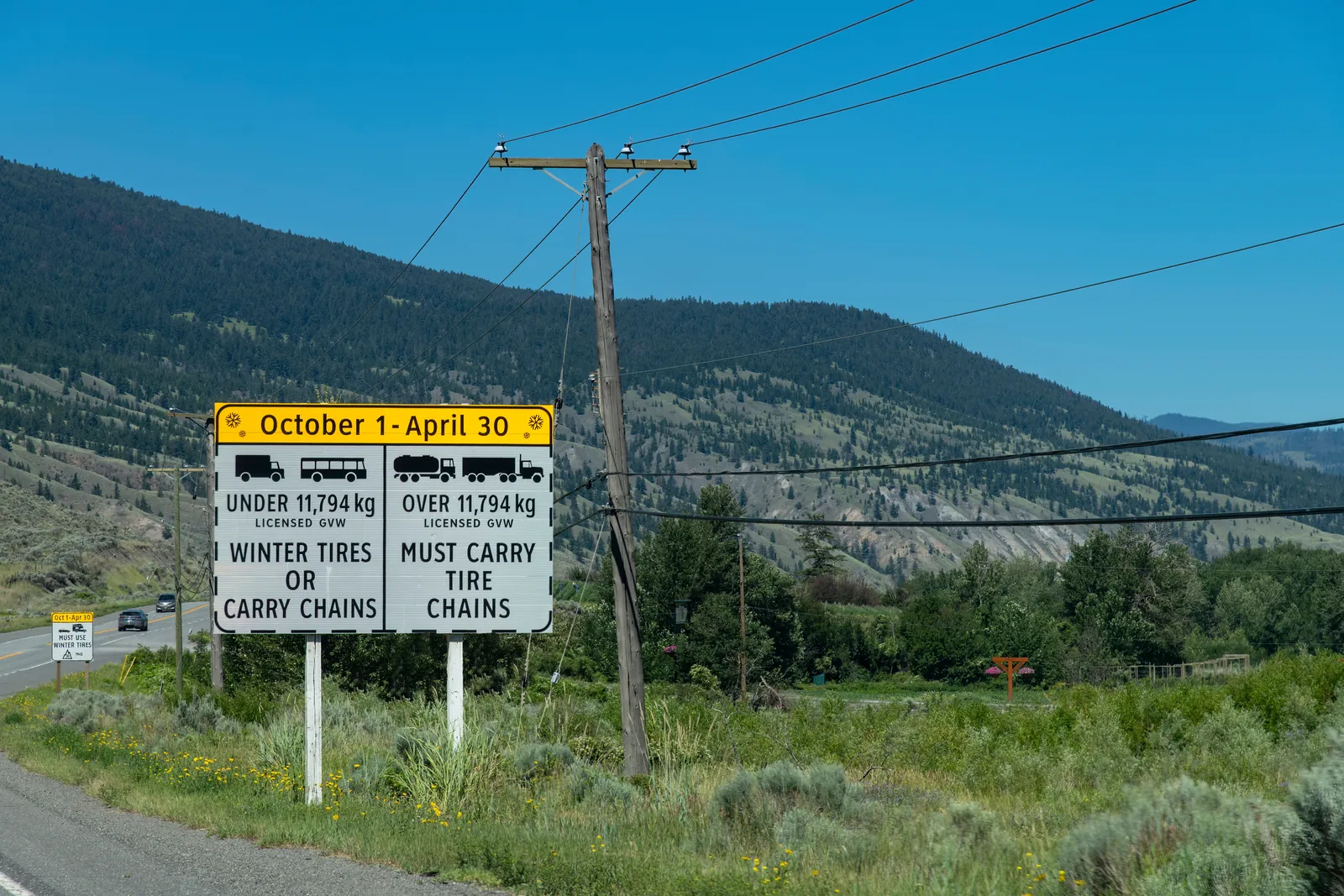
What Does BC Winter Tire Law Actually Require?
BC’s winter tire regulation applies to designated highways identified by signs. On those routes, qualifying tires are required from October 1 to March 31 or April 30, depending on the highway.
For passenger vehicles, tires must:
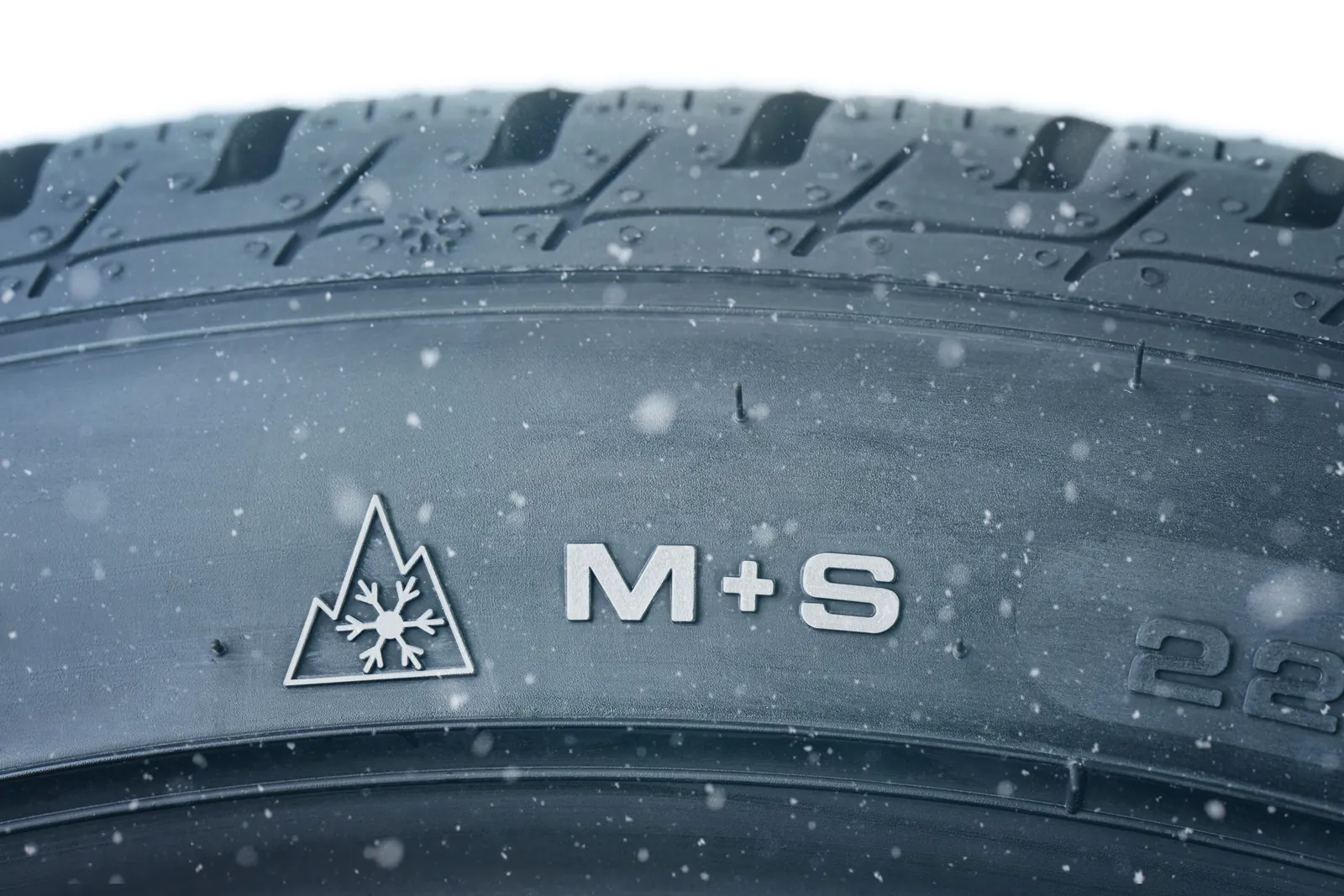
- Carry the M+S (mud and snow) marking or the three-peak mountain snowflake symbol.
- Have at least 3.5 mm of tread depth.
That means an M+S-marked all-season tire, an all-weather tire with the mountain snowflake symbol, or a dedicated winter tire can meet the legal minimum. The law does not require every driver to use dedicated winter tires.
The legal minimum is not the same as the best choice for every trip. Short drives around a neighbourhood or city in a mild coastal area may involve mostly wet roads. A mountain pass can bring snow, ice, and much colder temperatures, so tires that handle your everyday commute may not offer enough grip for that trip.
What’s the Difference Between All-Season, All-Weather, and Winter Tires?
The names sound similar, but these tires are designed for different conditions. The right choice depends on where you drive, how often you encounter snow and ice, and whether you want one set of tires or a seasonal changeover.
| Tire Type | Where It Fits |
|---|---|
| All-Season Tires | Designed for dry roads, rain, and light snow. Their rubber becomes harder as temperatures fall, particularly below about 7°C, which can reduce grip in colder conditions. Many carry the M+S marking and meet BC’s legal minimum, but they offer less winter traction than mountain-snowflake tires. They may suit drivers who mostly make short trips around a mild coastal city. |
| All-Weather Tires | Designed for year-round use, including colder temperatures, snow, and ice. They carry the three-peak mountain snowflake symbol and use a more winter-capable rubber compound and tread pattern than conventional all-seasons. They can be a practical choice for Lower Mainland drivers who want one set of tires without seasonal changeovers. However, they do not provide quite the same level of traction as dedicated winter tires in severe conditions. |
| Winter Tires | Built specifically for cold-weather driving. Their softer rubber stays flexible in low temperatures, while deeper tread and additional siping help the tires grip snow, ice, and slush. They provide the strongest winter performance, especially for drivers who regularly travel mountain routes, but require a second set and seasonal changeovers. |
The M+S and mountain snowflake markings are not interchangeable. M+S identifies the minimum legal standard in BC, while the mountain snowflake symbol indicates that the tire has met a standardized winter-performance test.
How Much Do Winter Tires and Seasonal Changes Cost?
Your total cost depends on the tire type you choose, whether you need a second set of wheels, and how often the tires need to be changed.
| What you need | Approximate cost |
|---|---|
| Seasonal swap with tires already mounted on separate wheels | $60–$100 per visit |
| Mount and Balance | $160–$260 per visit |
| Four new winter tires | $600–$1,500 or more, before wheels, installation, and taxes |
Tire size, brand, and vehicle requirements affect the final price. Ask whether your quote includes mounting, balancing, tire-pressure sensors, storage, and taxes.
All-weather tires may cost more than conventional all-seasons, but they can remain on the vehicle year-round. That means you avoid buying a second set and usually avoid two seasonal changeovers each year. Dedicated winter tires cost more overall because they require a second set, but they provide stronger performance in severe snow and ice.
For help comparing tire options, visit Minit-Tune’s tire selection and repair services. A service advisor can recommend a setup based on your vehicle, driving routes, and budget.
FAQs About BC Winter Tire Law
Q: Do all-weather tires meet BC’s winter tire law?
A: Yes. All-weather tires with the three-peak mountain snowflake symbol and at least 3.5 mm of tread meet the minimum requirement on designated BC highways. They are different from conventional all-season tires with only the M+S marking.
Q: Are all-weather tires a good choice for driving in the Lower Mainland?
A: They can be. All-weather tires suit drivers who deal with rain, cold temperatures, occasional snow, and winter trips outside the city but want to keep one set of tires on the vehicle year-round. Dedicated winter tires remain the stronger option for frequent mountain travel or severe snow and ice.
Q: Do I need winter tires if I only drive around Vancouver?
A: Many local roads in Vancouver and the Lower Mainland do not have the same winter-tire requirements as designated mountain highways. However, snow and ice can still make city driving difficult. Check your route before travelling outside the region, and choose tires based on the conditions you expect to encounter.
Q: Does all-wheel drive mean I can skip winter-rated tires?
A: No. All-wheel drive helps transfer power to the wheels, but it does not create additional grip for braking or steering. Your tires still need to meet BC’s legal requirements on designated highways, and mountain-snowflake tires may provide better control in winter conditions.
Conclusion: Which Tires Are Right for Your BC Driving?
BC’s winter-tire law sets a legal minimum, but the best choice depends on your regular routes and the conditions you expect to encounter. Conventional all-seasons may be sufficient for mild local driving, all-weather tires offer a practical year-round option, and dedicated winter tires provide the strongest traction for frequent snow, ice, and mountain travel.
Before the season begins, contact your local Minit-Tune & Brake Auto Centre to compare tire options, check your tread depth, and request a quote for your vehicle.
Related posts

Read More
Battery vs. Alternator: How to Tell Which One Is Actually Failing in the Cold
Learn how to tell whether a cold-weather no-start is caused by the battery or the alternator, and when to have both tested.
Read More
How Long Do Wiper Blades Actually Last? Signs You’re Overdue for New Ones
Learn how often to replace wiper blades, spot signs of wear, and understand why even new blades can skip. Get practical tips before fall rain arrives.
Read More
Fluid Check 101: Which Fluids Actually Need Regular Changing (and Which Don't)
A plain-language car fluid maintenance checklist: what engine oil, coolant, brake fluid, transmission fluid, differential fluid, and power steering fluid do, how often each realistically needs attention, and the warning signs that service may be overdue.