


Why Does Your Tire Pressure Light Come On When It’s Cold?
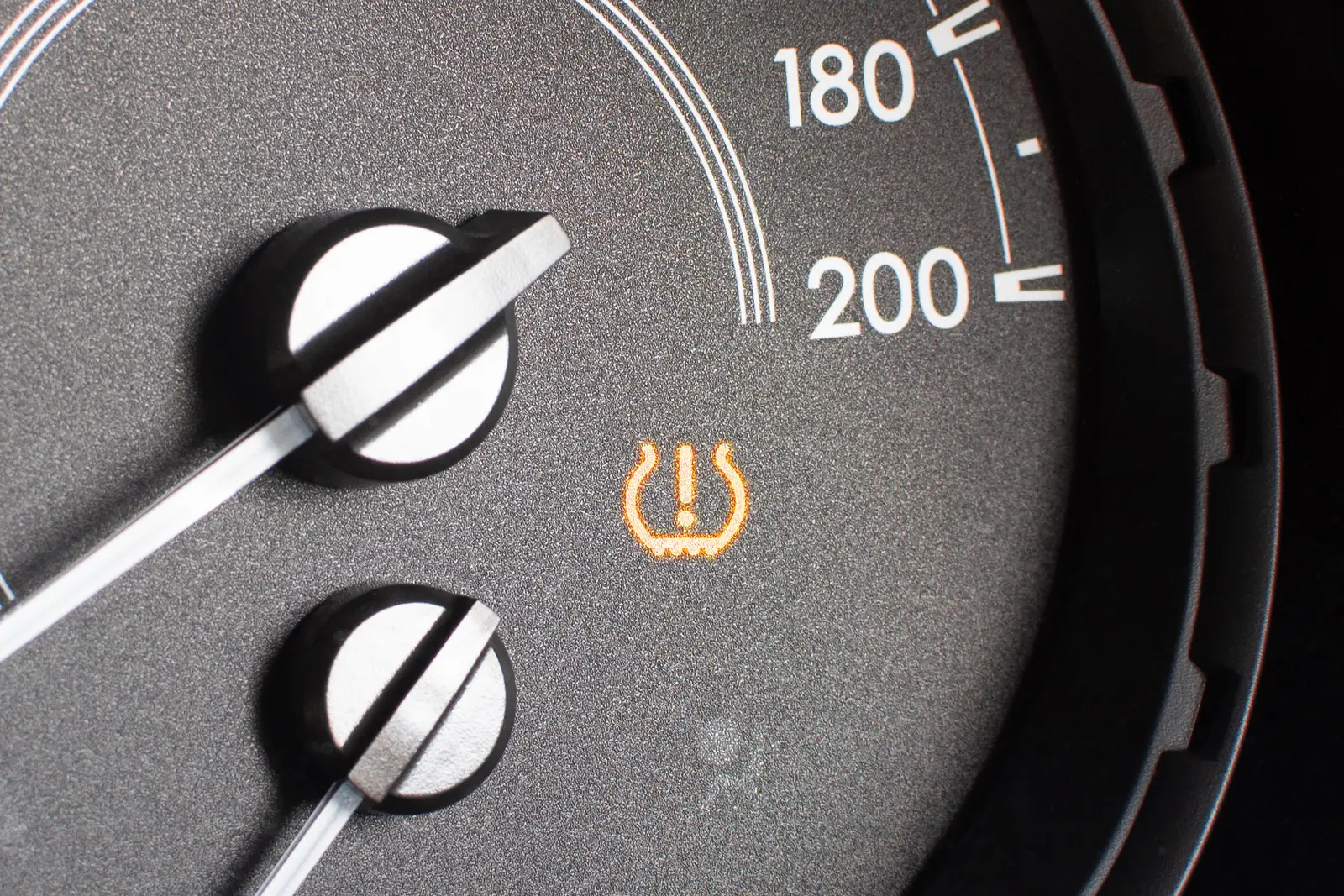
Your tire pressure light can come on in cold weather because tire pressure drops as the temperature falls. As a rule of thumb, tires lose about 1 PSI for every 6°C (10°F) drop in temperature.
If the light comes on during the first cold morning of the season and all four tires are slightly low, temperature is the likely cause. But if one tire keeps losing pressure, the light stays on after inflation, or the warning returns quickly, you may have a slow leak or TPMS sensor problem.
Check your tire pressure when the tires are cold and inflate them to the pressure listed on the driver’s-side door placard, not the number printed on the tire itself.
Why Does Tire Pressure Drop When It Gets Cold?
Air contracts as it gets colder. Inside a tire, that means less pressure even when no air has actually leaked out.
That’s why tire pressure in cold weather can drop enough to trigger the TPMS warning light overnight, especially if the tires were already close to the minimum pressure threshold.
The pressure may rise again as the day warms up or after you’ve been driving, but that doesn’t mean you should ignore the warning. Tire pressure should be checked when the tires are cold so you know whether they actually need air.
Should You Add Air When the Tire Pressure Light Comes On?
Yes. If the tire pressure light comes on, check the tires when they’re cold and inflate any that are below the recommended pressure.
Don’t wait for warmer weather to make the warning disappear. Driving on underinflated tires can affect handling, braking, fuel economy, and tire wear.
Use the pressure listed on the driver’s-side door placard as your target. If the light goes out after the tires are properly inflated and doesn’t return, cold weather was probably the cause.
How Can You Tell Cold Weather From a Slow Leak?
Cold weather usually affects all four tires at roughly the same time. A slow leak is more likely when one tire keeps dropping below the others or needs air again after only a few days.
Watch for these clues:
| What You Notice | What It Likely Means |
|---|---|
| All four tires are slightly low after a temperature drop | Cold weather is the likely cause |
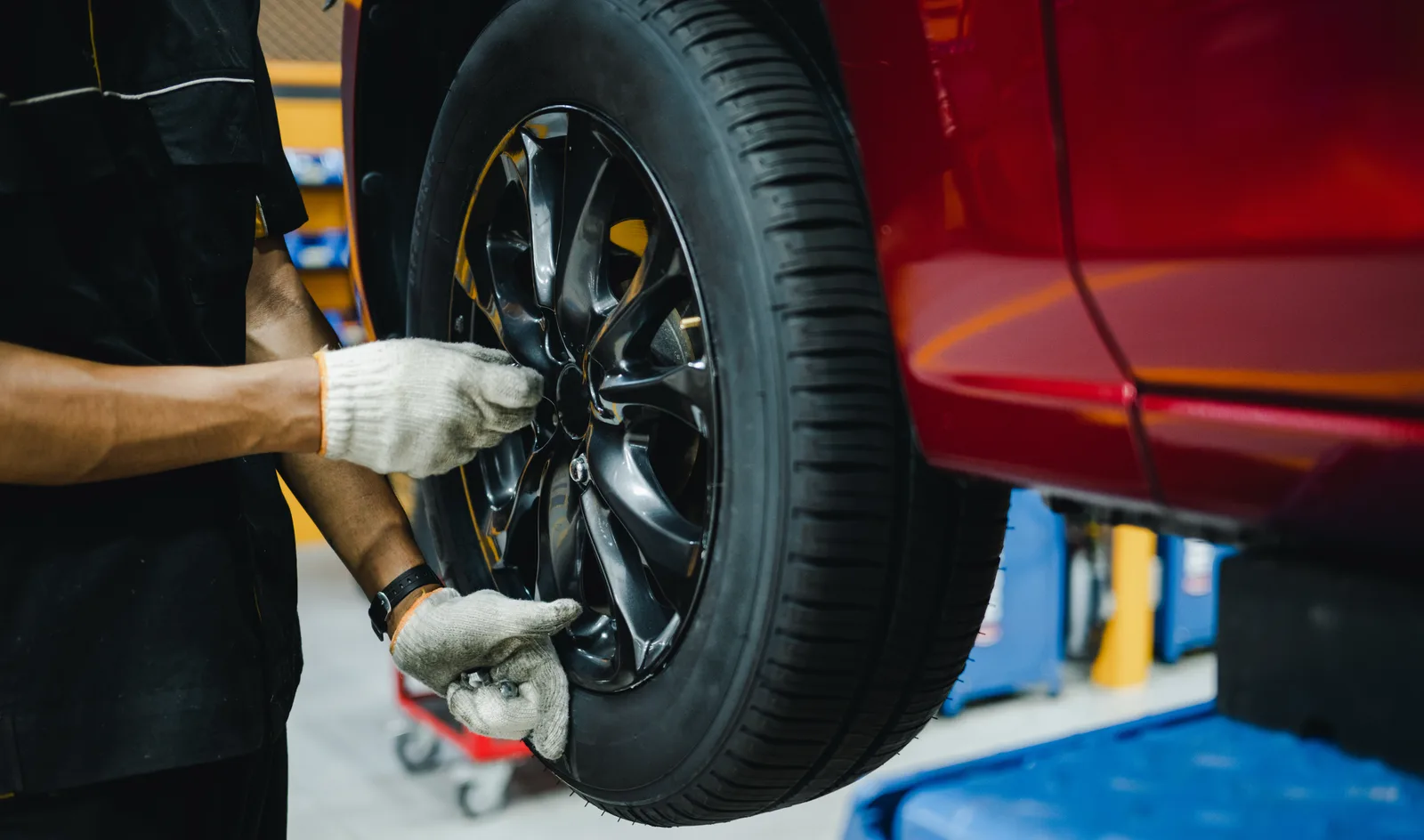
| One tire is consistently lower than the rest | Have the tire inspected by a tech for a puncture, valve leak, or wheel issue |
| The light returns soon after you add air | Have the tire inspected by a tech rather than repeatedly topping it up |
Tires naturally lose some pressure over time, but frequent pressure loss isn’t something to ignore. Michelin recommends having the tire, wheel, and valve checked if you find yourself adding air every few days.
Could the TPMS Sensor Be the Problem?
Yes. If your tires are properly inflated but the tire pressure light keeps coming back, the TPMS itself may need attention.
A useful clue is how the light behaves. If it flashes for about a minute when you start the vehicle and then stays on, that usually indicates a TPMS malfunction rather than simply low tire pressure.
The problem could be a failed sensor, a sensor that isn’t communicating properly, or an issue related to replacement tires or wheels. If the pressures are correct and the warning persists, have the TPMS inspected by a tech rather than assuming the tires are still low.
FAQs About Tire Pressure Lights in Cold Weather
Q: Can cold weather make the tire pressure light come on overnight?
A: Yes. A sharp temperature drop can lower tire pressure enough to trigger the TPMS warning even if the tires were fine the day before. Check the pressure when the tires are cold and inflate them to the recommended PSI on the driver’s-side door placard.
Q: Will the tire pressure light turn off on its own?
A: It may. If the warning was caused by a small temperature-related pressure drop, the light can go out as the tires warm up. That doesn’t necessarily mean the pressure is correct, though. Check it manually rather than relying on the light.
Q: Why does my tire pressure light keep coming back?
A: If the light returns after you’ve inflated the tires, one tire may have a slow leak, or there may be a TPMS sensor problem. If one tire keeps losing pressure faster than the others, have it inspected by a tech.
Q: Is it safe to drive with the tire pressure light on?
A: A short drive to check or inflate the tires is usually reasonable if the vehicle feels normal and no tire appears visibly low. If a tire looks significantly underinflated, the car pulls to one side, or handling feels unusual, stop and inspect the tires before continuing.
Conclusion: Don’t Ignore a Tire Pressure Warning
Cold weather can trigger your tire pressure light, but the warning still deserves a quick check. If all four tires are slightly low, temperature is probably the cause. If one tire keeps losing pressure or the light returns after inflation, have the tire and TPMS inspected by a tech.
If you’re unsure what’s causing the warning, book a tire check with Minit-Tune before a small issue turns into a flat or uneven tire wear.
Related posts
Read More
Battery vs. Alternator: How to Tell Which One Is Actually Failing in the Cold
Learn how to tell whether a cold-weather no-start is caused by the battery or the alternator, and when to have both tested.
Read More
How Long Do Wiper Blades Actually Last? Signs You’re Overdue for New Ones
Learn how often to replace wiper blades, spot signs of wear, and understand why even new blades can skip. Get practical tips before fall rain arrives.
Read More
Winter Tires vs. All-Season vs. All-Weather Tires in BC: What the Law Requires (and What They Cost)
A plain-language guide to what BC's winter tire regulation requires on designated highways, how all-season, all-weather and winter tires compare, and what a seasonal swap or a second set typically costs.