

Fluid Check 101: Which Fluids Actually Need Regular Changing (and Which Don’t)
Car fluids can make a routine service appointment feel unnecessarily mysterious. When someone says a fluid is low, dirty, or due for a flush, it is not always clear whether it needs immediate attention or can safely wait.
This car fluid maintenance checklist explains what each major fluid does, how often it realistically needs attention, and what may indicate that it is overdue. The goal is to help you understand what your vehicle actually needs without expecting you to become a mechanic.
Engine oil needs changing most frequently. Coolant, brake fluid, transmission fluid, and differential fluid also require periodic service, but there is no single interval that applies to every vehicle. Power steering fluid only applies to vehicles with hydraulic steering and may be serviced according to its condition or the manufacturer’s schedule.
Note: Checking a fluid is not the same as changing it, and topping up a low reservoir does not fix a possible leak. Your owner’s manual remains the most reliable guide for your particular vehicle.
What Do the Main Fluids in Your Car Actually Do?
Most vehicle fluids have one of three jobs: reducing friction, controlling temperature, or transferring pressure. Knowing which system a fluid supports makes its maintenance schedule much easier to understand.
Engine Oil
Engine oil coats the moving parts inside the engine, reducing friction and carrying away heat and contaminants. It gradually breaks down as you drive, which is why it requires the most frequent replacement. The correct oil type and interval depend on the engine, so it is worth understanding the differences between conventional and synthetic oil.
Coolant
Coolant circulates through the engine and radiator to control temperature. It prevents overheating in warm weather and freezing during a Canadian winter, while also protecting the cooling system from corrosion.
Brake Fluid
Brake fluid transfers pressure from your foot on the pedal to the brakes at each wheel. It does not normally get “used up,” so a low level may point to worn brake components or a leak rather than a reservoir that simply needs topping up.
Brake fluid also absorbs moisture over time. That moisture lowers the fluid’s boiling point and can contribute to corrosion inside the braking system. This is why many manufacturers recommend replacing brake fluid approximately every two years, even when the fluid level appears normal. The correct interval should still be confirmed in your vehicle’s maintenance schedule.
Transmission Fluid
Transmission fluid lubricates and cools components inside the transmission. In automatic vehicles, it also helps create the hydraulic pressure required for smooth gear changes.
Differential Fluid
Differential fluid lubricates the gears and bearings that allow the wheels on the same axle to rotate at different speeds, particularly while turning. Depending on the vehicle, there may be one or more differentials requiring service. The fluid gradually deteriorates under heat and pressure and can become contaminated with tiny metal particles as the gears wear.
Power Steering Fluid
Power steering fluid helps hydraulic steering systems turn the wheels with less effort while lubricating the system’s moving parts. Many newer vehicles use electric power steering and do not have power steering fluid at all.
How Often To Change Car Fluids?
The honest answer is less tidy than the chart at a quick-lube counter might suggest. Car fluid change intervals depend on the vehicle, the fluid being used, and how the car is driven.
As a practical starting point:
- Engine oil: This requires regular changing. As a general guideline, Minit-Tune recommends changing conventional oil every 5,000 to 6,000 kilometres and synthetic oil every 8,000 to 10,000 kilometres. Your vehicle’s maintenance schedule, oil-life monitor, and driving conditions may call for a different interval.
- Coolant: Many coolants last between two and five years, although some long-life formulas last considerably longer. The cooling system should still be inspected between changes.
- Brake fluid: Some manufacturers recommend replacement every two or three years. Others call for periodic testing because brake fluid absorbs moisture over time. These signs you may need a brake fluid flush can also help you recognize a possible problem.
- Transmission fluid: Depending on the transmission and driving conditions, replacement may be recommended anywhere from roughly 50,000 to 100,000 kilometres. Always use the manufacturer-approved fluid, as explained in Minit-Tune’s guide to choosing the correct transmission fluid.
- Differential fluid: Change intervals vary widely by vehicle and drivetrain. Towing, hauling, off-road driving, and other demanding conditions may require more frequent service. Check the manufacturer’s schedule to determine when each differential should be inspected or serviced.
- Power steering fluid: Hydraulic systems may have a manufacturer-specified service interval. Otherwise, technicians assess the fluid’s colour and overall condition, looking for signs that it has darkened, become contaminated, or developed a burnt smell. Vehicles with electric power steering do not use power steering fluid.
A technician should be able to explain why a fluid service is being recommended and show how that advice relates to your vehicle’s maintenance schedule.
What Are the Signs Your Car Fluids Need Attention?
A maintenance reminder or the interval in your owner’s manual is often the first clue. However, your vehicle may also warn you that something needs attention sooner.
Watch for:
- A fluid level repeatedly falling below the minimum line
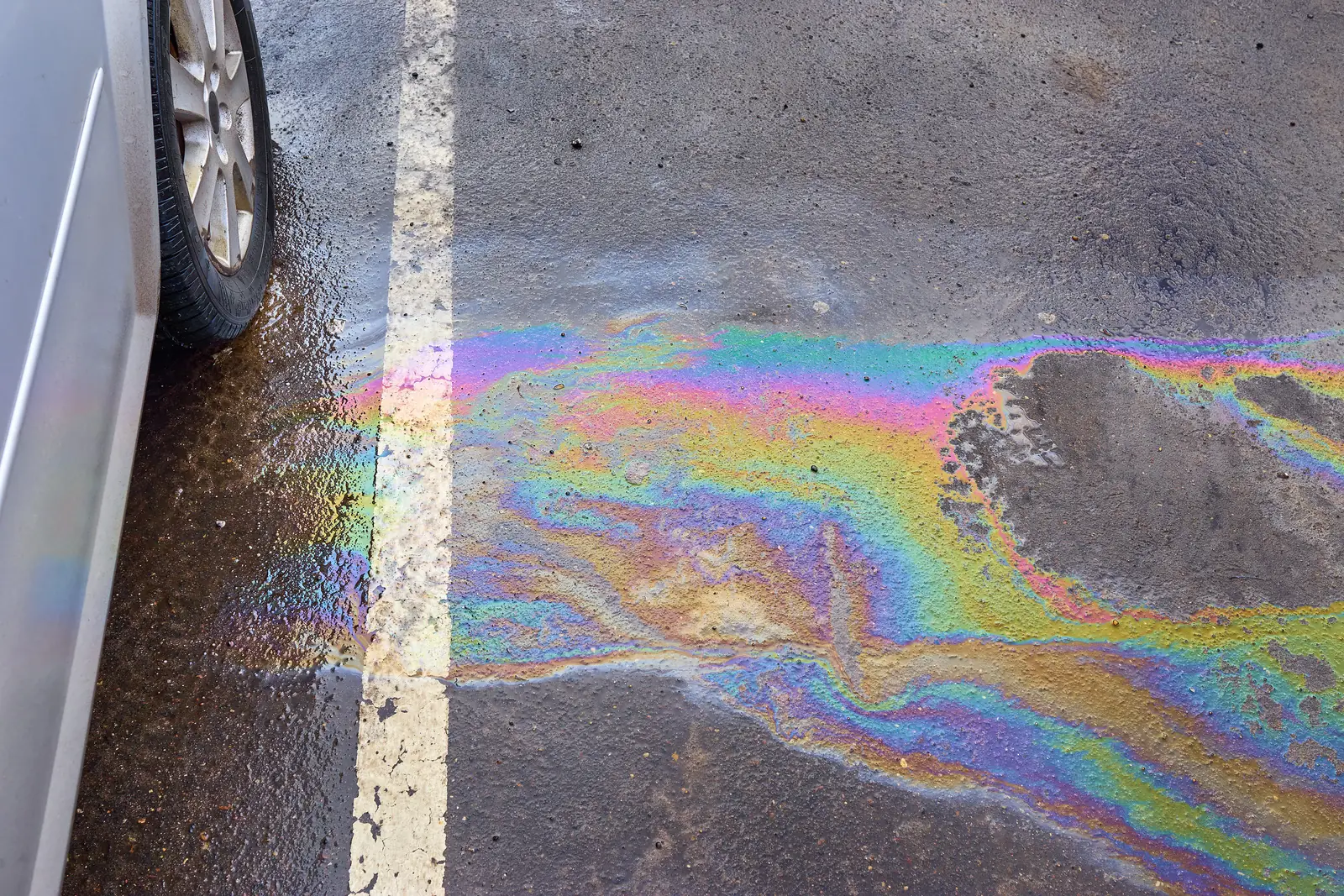
- New puddles or stains beneath the vehicle
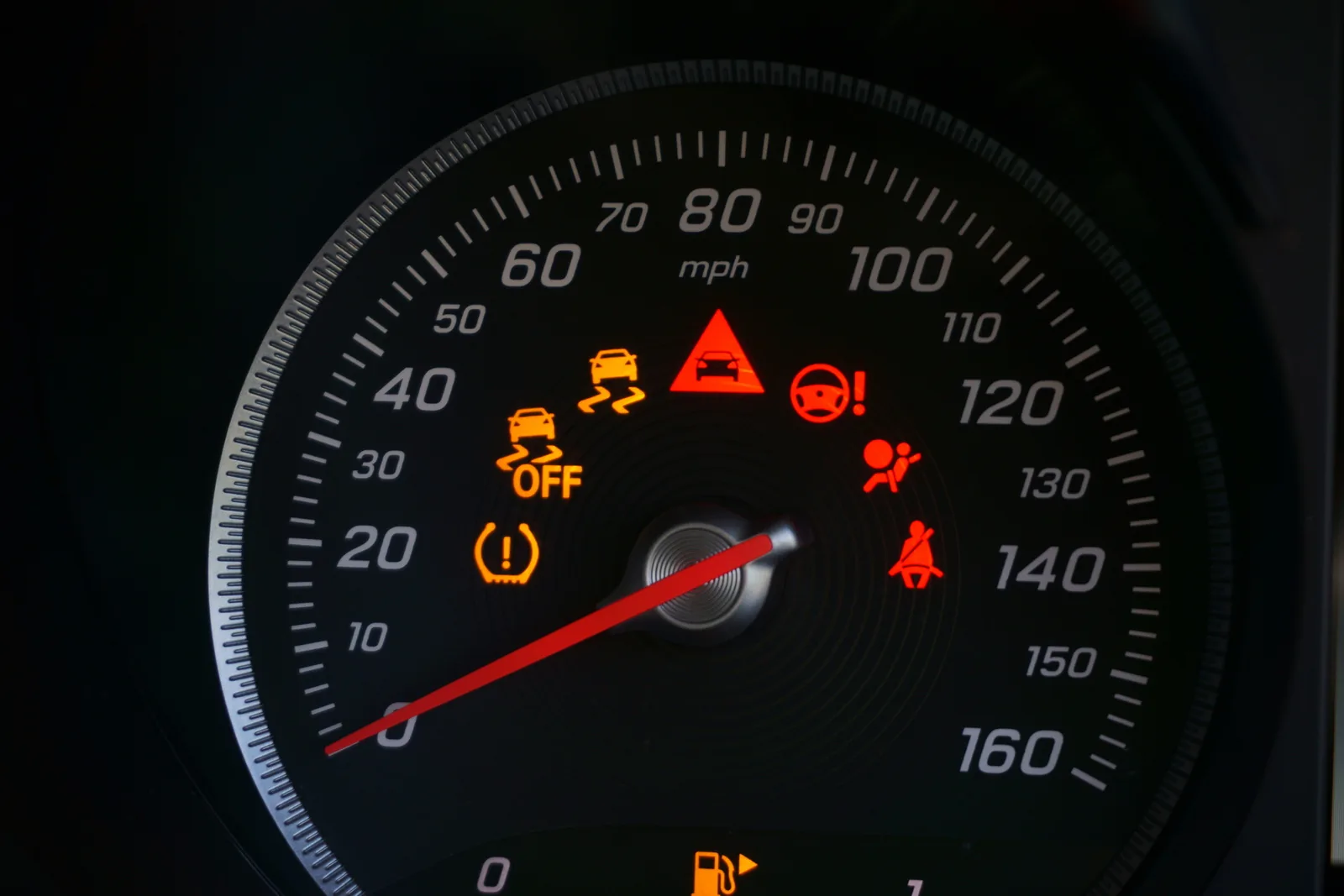
- Oil-pressure, temperature, brake, or transmission warning lights
- A sweet, burnt, or otherwise unfamiliar smell
- Overheating or a temperature gauge climbing unusually high
- Rough gear changes, noisy steering, a soft brake pedal, or whining and humming noises from the drivetrain
The colour and location of a puddle can sometimes help you identify which car fluid may be leaking.
If the oil-pressure light comes on, the engine overheats, or the brakes feel unsafe, pull over somewhere safe and have the vehicle inspected before continuing.
What Is the Difference Between Checking, Topping Up, Changing, and Flushing Fluid?
These terms sometimes get used as though they mean the same thing, but they describe different levels of service.
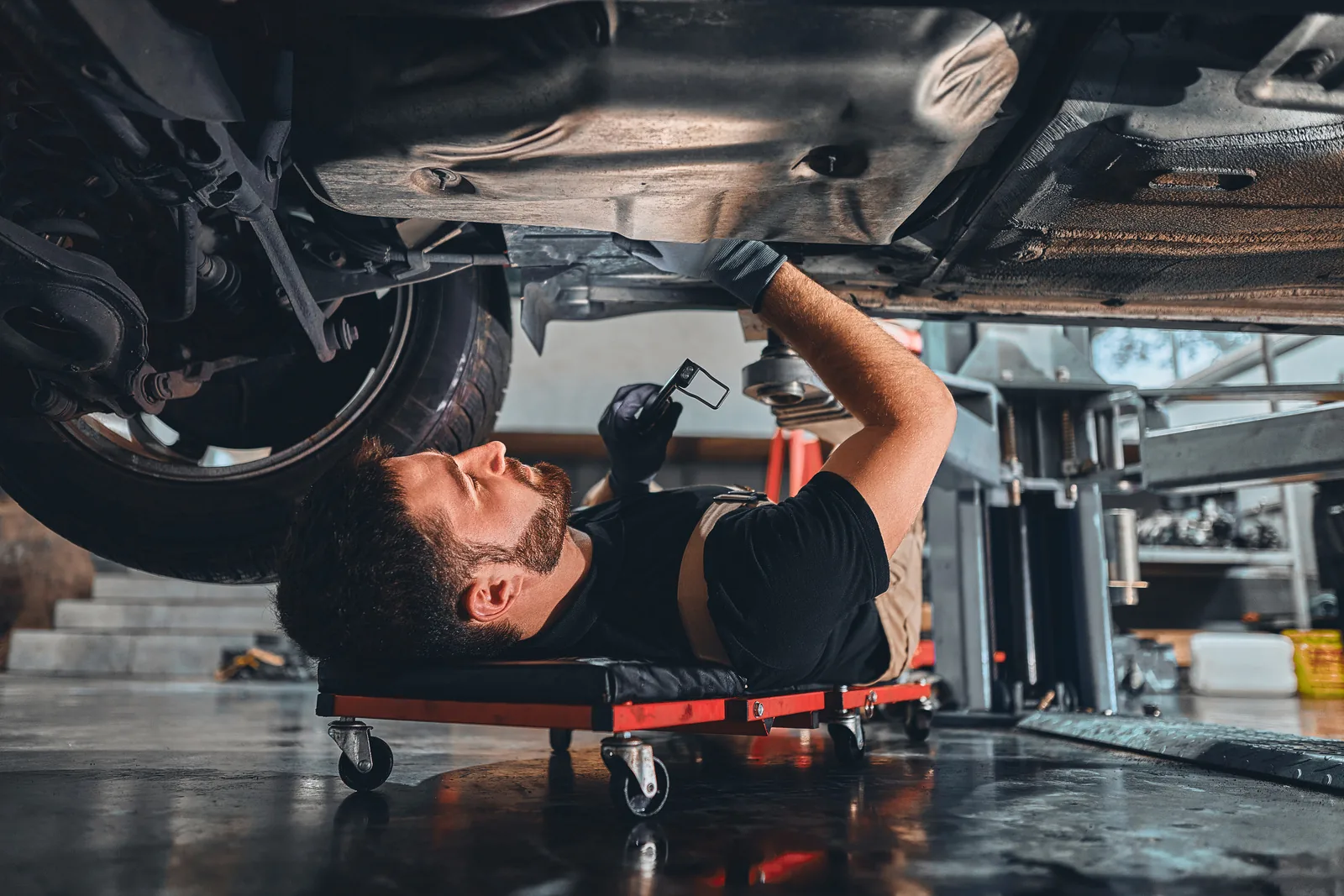
- Checking means inspecting the fluid level and, where possible, its condition. The technician may also look for leaks or test the fluid for contamination.
- Topping up means adding the correct fluid to bring a low reservoir back to its proper level. If the level keeps dropping, the cause needs to be investigated.
- Changing or exchanging means draining old fluid and replacing it with new fluid that meets the vehicle manufacturer’s specifications.
- Flushing means replacing a greater portion of the old fluid and, where appropriate, removing accumulated contaminants from the system. The process varies by fluid and vehicle.
A flush is not automatically better or necessary every time. The right service depends on the system, the condition of the fluid, and the manufacturer’s recommendations. Minit-Tune provides fluid-flush services for brake fluid, coolant, transmission fluid, and power steering fluid, along with differential fluid changes, when the vehicle requires them.
What Should Be on Your Car Fluid Maintenance Checklist?
You do not need to check every fluid each time you fill the gas tank. A simple routine is enough:
- Keep your owner’s manual or digital maintenance schedule handy.
- Record when the oil and other fluids were last serviced.
- Look beneath your usual parking spot for new stains or puddles.
- Pay attention to warning lights and changes in braking, shifting, steering, or engine temperature.
- Have fluid levels and condition checked during regular oil changes or inspections.
- Ask why a change or flush is recommended before approving it.
Some basic fluid checks can be done at home, but only if you can safely identify the correct reservoir and fluid. Never remove a coolant cap while the engine is hot, and do not mix products simply because their colours look similar.
If the vehicle’s service history is unclear, a vehicle inspection can establish what needs attention now and what can wait.
FAQs About Car Fluid Maintenance
Can I Just Top Up a Fluid When It Is Low?
It depends. Washer fluid is meant to be used up, while some engines consume a small amount of oil between changes. Adding oil restores the level but does not replace an oil change. If oil drops repeatedly, the engine may be leaking or burning it.
Coolant, brake fluid, transmission fluid, and power steering fluid should not regularly disappear. A falling level should be inspected.
Does Dark Fluid Always Need to Be Changed?
Not necessarily. Some fluids naturally darken during use, and colour alone does not reveal their full condition. The maintenance schedule, mileage, fluid testing, and changes in vehicle performance provide better evidence.
Do All Cars Have Power Steering Fluid?
No. Vehicles with hydraulic power steering use fluid, but many newer vehicles have electric power steering systems that do not. Your owner’s manual can tell you which system your vehicle has.
Can I Use Any Fluid That Has the Right Colour?
No. Colour is not a reliable way to choose a product. Coolants and transmission fluids that look similar may have very different specifications, and mixing incompatible fluids could damage the system. Always use the exact type listed for your vehicle.
Not Sure Which Fluids Your Car Needs?
A car fluid maintenance checklist gives you a useful starting point, but your vehicle’s service history and manufacturer recommendations should guide the final decision.
If you are unsure what was last changed, the Minit-Tune team can inspect your fluids and explain the results in plain language. You will know what needs attention now, what can wait, and why the service is being recommended.
Book an appointment at your nearest Minit-Tune & Brake Auto Centre to get clear answers about your vehicle’s maintenance needs.
Related posts

Read More
Battery vs. Alternator: How to Tell Which One Is Actually Failing in the Cold
Learn how to tell whether a cold-weather no-start is caused by the battery or the alternator, and when to have both tested.
Read More
How Long Do Wiper Blades Actually Last? Signs You’re Overdue for New Ones
Learn how often to replace wiper blades, spot signs of wear, and understand why even new blades can skip. Get practical tips before fall rain arrives.
Read More
Winter Tires vs. All-Season vs. All-Weather Tires in BC: What the Law Requires (and What They Cost)
A plain-language guide to what BC's winter tire regulation requires on designated highways, how all-season, all-weather and winter tires compare, and what a seasonal swap or a second set typically costs.