

Choosing the Right Transmission Fluid – A Guide from Your Auto Repair Experts
Your transmission does a lot of heavy lifting every time you drive. It helps your vehicle shift gears smoothly, protects moving parts, and keeps your engine working at the right speed. That’s why choosing the best transmission fluid for your vehicle matters.
However, the best type isn’t the same for every car. It depends on your vehicle’s make, model, transmission type, driving habits, and manufacturer recommendations.
In this guide, we’ll help you understand what transmission fluid does, how to choose the right one, and when it may be time to change it.
What Does Transmission Fluid Do?
Transmission fluid helps your transmission run smoothly by reducing friction, managing heat, and protecting internal parts from wear.
In simple terms, it helps your gears move properly without grinding, overheating, or wearing out too quickly.
In automatic vehicles, automatic transmission fluid (often called ATF) also serves as a hydraulic fluid. This means it helps create the pressure needed for smooth gear changes.
The right car transmission fluid can help with:
- Smoother shifting
- Better protection against heat
- Reduced wear on internal parts
- Longer transmission life
- Fewer costly repair issues
Using the wrong type can lead to hard shifting, delayed shifting, overheating, or even transmission failure. That’s why it’s always best to follow your vehicle manufacturer’s recommendations when choosing the best transmission fluid for your car.
What’s the Best Transmission Fluid?
The best transmission fluid for your vehicle is the one that matches your owner’s manual.
That might not sound exciting, but it’s the most important answer. Different cars need different fluid types. A fluid that works well in one vehicle could cause problems in another.
Your owner’s manual will usually tell you the exact type of transmission fluid your vehicle needs, such as Dexron, Mercon, ATF+4, CVT fluid, DCT fluid, or a manufacturer-specific fluid.
If you are wondering, “Which oil is best for transmission?” the answer depends on whether your vehicle has an automatic, manual, CVT, or dual-clutch transmission. Transmission fluid isn’t something you want to guess on.
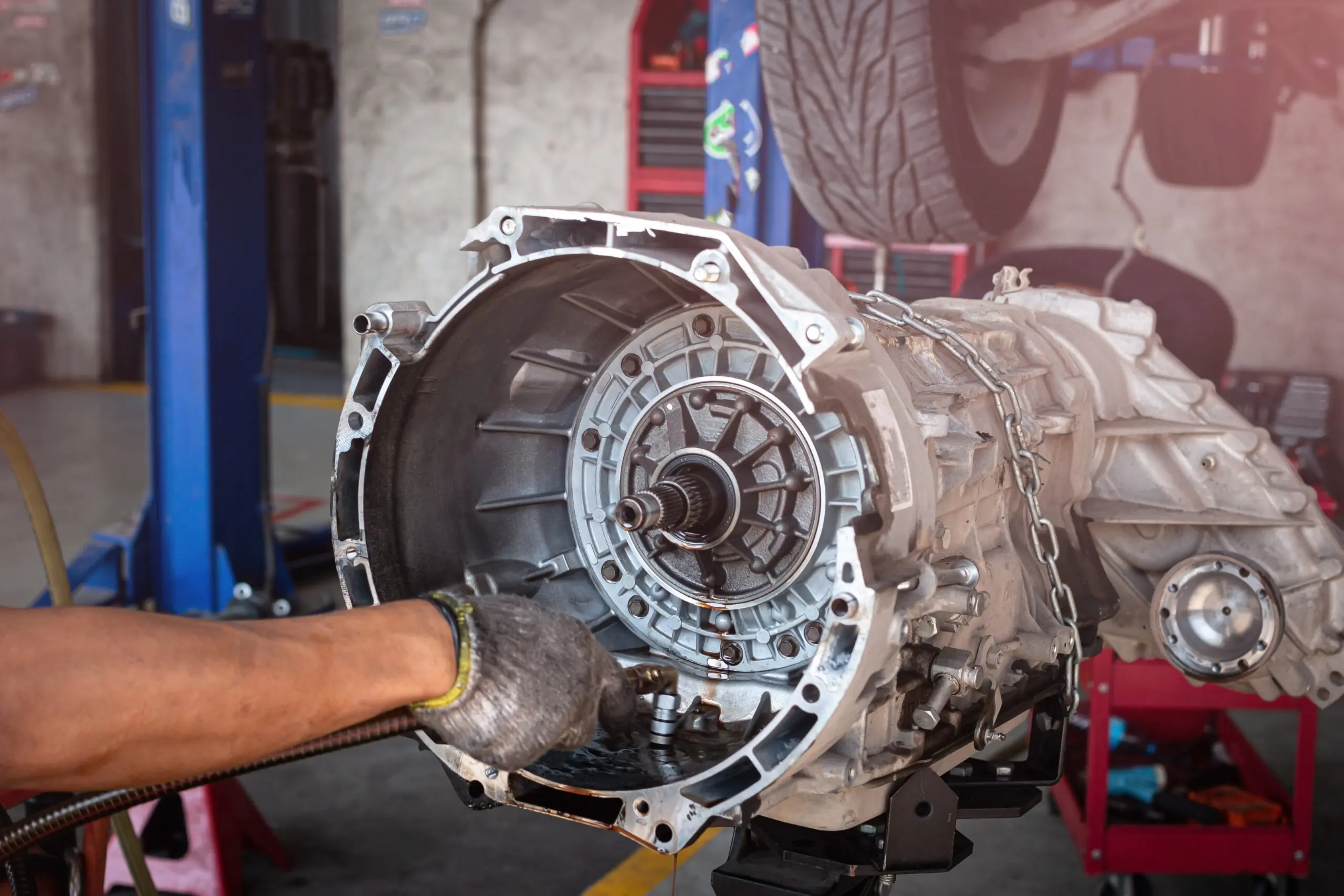
Automatic Transmission Fluid (ATF) vs. Manual Transmission Fluid
Automatic Transmission Fluid (ATF)
These fluids are used in automatic transmissions and some modern manual transmissions. They provide lubrication, cooling and optimal hydraulic pressure for smooth operation. High-performance ATFs are synthetic for enhanced longevity. Different types of ATF include:
- Dexron: A line of ATF used in GM vehicles. It has been upgraded to several versions, including Dexron II, III, and IV, to meet different performance needs.
- Mercon: This is Ford’s equivalent of Dexron and is used in Ford, Lincoln, and Mercury vehicles. These also contain variants such as Mercon V and LV for better performance in more modern models.
- ATF+4: This is a transmission fluid specifically designed for Chrysler, Dodge and Jeep Vehicles.
Manual Transmission Fluid
Manual transmission fluid is usually thicker and designed to protect gears in manual vehicles.
It helps reduce friction, prevent overheating, and protect the gearbox from wear. Some manual transmissions use gear oil, while others may require a specific type of ATF.
Again, your owner’s manual is the best place to start.
Synthetic vs. Conventional Transmission Fluid
Another common question is whether synthetic transmission fluid is better than conventional fluid.
In many cases, synthetic fluid offers better heat resistance, longer service life, and stronger performance in tough driving conditions. It can be a good choice if you often drive in stop-and-go traffic, tow heavy loads, or deal with extreme weather.
That said, synthetic isn’t automatically the best choice for every vehicle. Some older vehicles may require conventional fluid or a specific manufacturer-approved formula.
If you’re looking for the best transmission fluid for performance, synthetic ATF may be worth considering. It’s often designed to handle higher temperatures and more demanding driving conditions.
Popular Transmission Fluid Brands
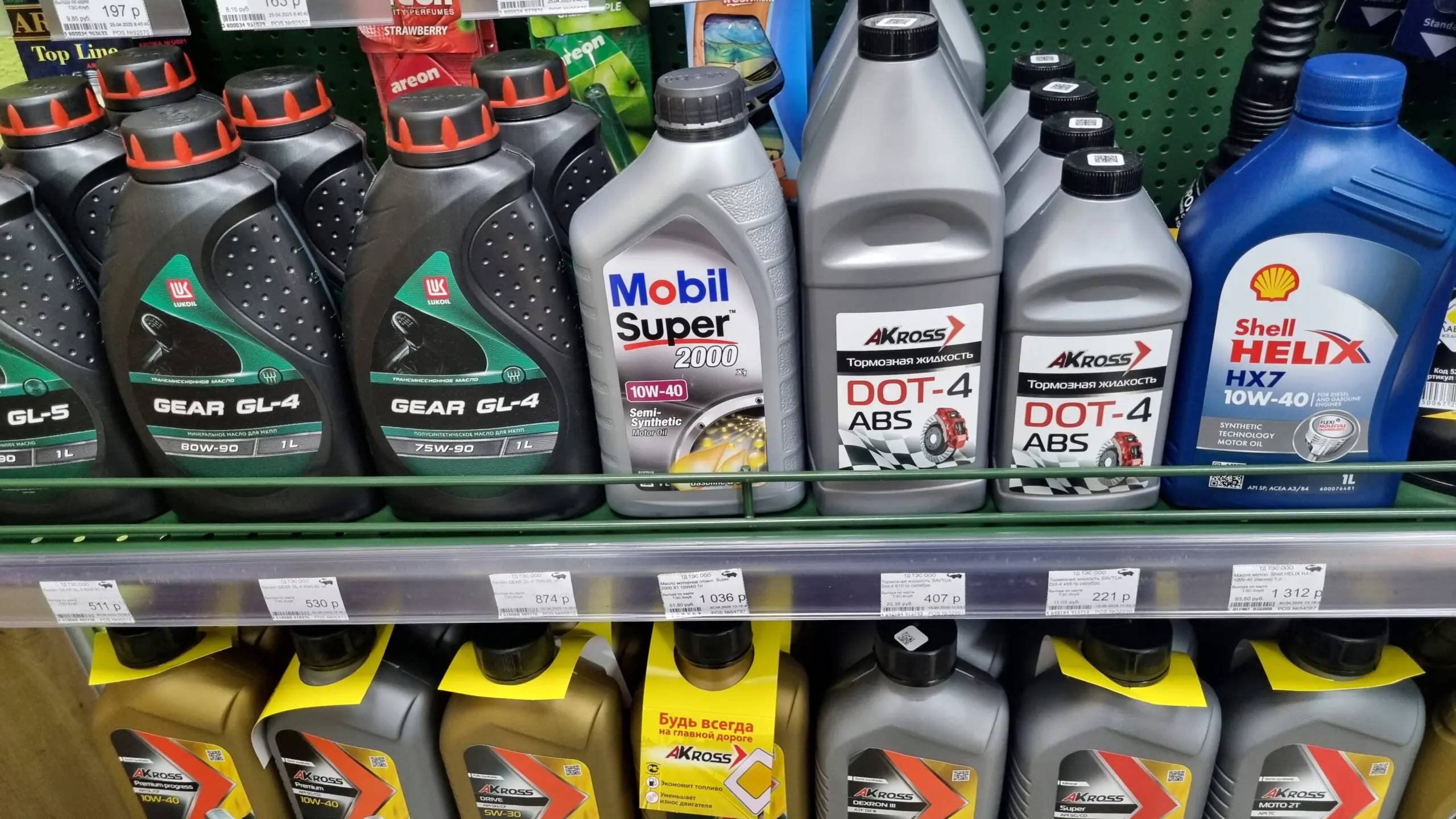
Many manufacturers, such as Honda, Toyota, Ford and GM, make their own proprietary fluids, which should always be your primary choice. However, third-party brands also make great transmission fluids for multiple manufacturers and models. Popular options include:
- Castrol – Offering a variety of ATFs, including synthetic alternatives for high performance.
- Valvoline – Known for enhanced durability and protection against overheating.
- Mobil 1 – An excellent choice for synthetic ATF.
- Royal Purple – Great for enhanced shifting and improved performance.
Choosing the Right Transmission Fluid
1. Check Your Owner’s Manual
Your owner’s manual should tell you exactly which fluid your vehicle needs. This is the most reliable way to answer questions like “what is the best transmission fluid for my car?” or “which is the best ATF?”
Look for the fluid specification, not just the brand name. Your vehicle may require a specific type of ATF, CVT fluid, manual transmission fluid, or manufacturer-approved fluid.
2. Think About How You Drive
Your driving habits can affect which fluid is best for your vehicle.
If you spend a lot of time in Vancouver traffic, drive in hilly areas, tow heavy loads, or use your vehicle for work, your transmission may deal with more heat and stress.
In these cases, a synthetic or high-performance fluid may offer better protection, as long as it meets your vehicle’s specifications.
3. Avoid “Universal” Claims Without Checking
Some products claim to work in many vehicles. Multi-vehicle fluids can be helpful, but they’re not always the right match.
Be careful with any fluid that claims to work for every transmission type. CVT, DCT, automatic, and manual transmissions can have very different needs.
4. Ask a Professional When You’re Unsure
If you’re not sure which fluid to use, it’s better to ask a mechanic than risk damage to the transmission.
A trusted auto repair shop can check your vehicle’s requirements and help you choose the right car transmission fluid for your needs.
Learn about other essential fluids for your car.
When Should You Change Your Transmission Fluid?
A general rule is to change your transmission fluid every 2 to 3 years, but this can vary depending on your vehicle and how you drive.
Some vehicles have longer service intervals, while others need fluid changes more often. This is especially true under “severe driving” conditions such as heavy traffic, towing, short trips, or extreme temperatures.
Watch for these signs tha t your transmission fluid may need attention:
- Delayed or rough shifting
- Slipping gears
- Dark or burnt-smelling fluid
- Unusual noises
- Transmission overheating
- Fluid leaks under your vehicle
If you notice any of these signs, don’t wait too long. Transmission problems can become expensive quickly.
Read more about how often you should change your transmission fluids.
Need Help Choosing the Best Transmission Fluid?
Choosing the best transmission fluid for your vehicle isn’t about picking the most expensive bottle on the shelf. It’s about choosing the fluid that matches your transmission, driving habits, and manufacturer requirements.
If you’re unsure what your vehicle needs, Minit-Tune & Brake Auto Centres can help.
Our team offers reliable auto maintenance services across British Columbia, including North Vancouver and Langley. Whether you need a transmission fluid change, a vehicle inspection, or help understanding your manufacturer’s recommendations, we can guide you through it.
Your vehicle’s transmission is too important to use the wrong fluid. Book your appointment with Minit-Tune & Brake Auto Centres today and keep your vehicle shifting smoothly.
Related posts

Read More
Battery vs. Alternator: How to Tell Which One Is Actually Failing in the Cold
Learn how to tell whether a cold-weather no-start is caused by the battery or the alternator, and when to have both tested.

Read More
How Long Do Wiper Blades Actually Last? Signs You’re Overdue for New Ones
Learn how often to replace wiper blades, spot signs of wear, and understand why even new blades can skip. Get practical tips before fall rain arrives.

Read More
Winter Tires vs. All-Season vs. All-Weather Tires in BC: What the Law Requires (and What They Cost)
A plain-language guide to what BC's winter tire regulation requires on designated highways, how all-season, all-weather and winter tires compare, and what a seasonal swap or a second set typically costs.